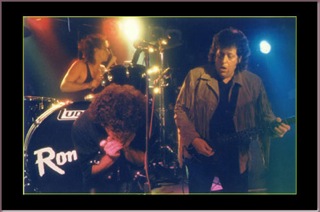
Bob Simons, guitar player with Romantics, pictured on right

Bob Simons, guitar player with Romantics, pictured on right

My House the Trading Post, has introduced readers to my home town of Westport, Kansas City. The area boasts a rich history as the oldest established community in Kansas City. More than 150 years ago, Westport marked the passage into the Western Frontier and set the foundation for what it is today. The neighborhood’s historic past is fused with creative individuals, quaint houses, thriving shops, fashionable boutiques, local eateries, and hot night-spots.

Bob Simons, is the current owner of the saloon built-in 1853 that served early Westport and the Santa Fe trail. It has been rebuilt to accommodate the practice of law, music, and art-all at the same time.

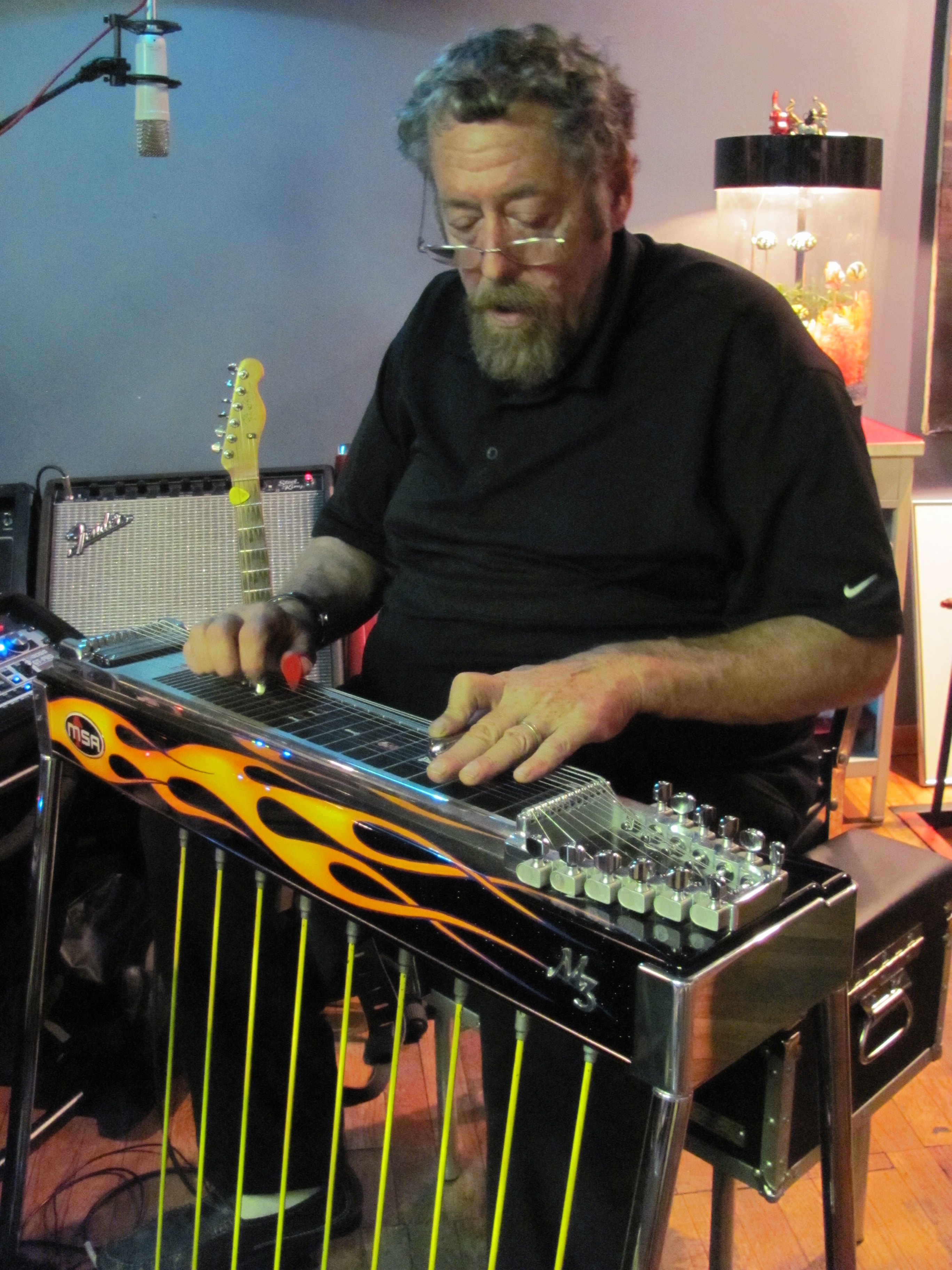
Bob is an attorney at law. He has practiced criminal defense and family law in Kansas City, MO for more than 40 years. He is also a fantastic guitar player who has appeared many times at Starlight Theater, the Uptown, and similar venues with B.B King, Ray Charles, the Romantics, and the like. Presently, he plays pedal steel guitar with Max Groove, New Age Jazz and R&B keyboardist.

He also regards himself an artist. He has shown painting, photography, and sculpture from time to time in Kansas City, Santa Fe, Sedona, and Denver. He receives royalties for his photographs displayed in art textbooks written by professor Stone. Students at the Kansas City Art Institute are sometimes introduced to Bob’s interior design style on their spring field trip to our house. At present, Bob finds it more fun to make dollhouses for me and our grandson.

Bob playing pedal steel guitar

Bob playing pedal steel guitar

Art, blog, History, Kansas City, Story, Uncategorized

My House The Trading Post 2.2

Image
Art, blog, History, Story, Uncategorized

My House The Pre-Civil War Trading Post

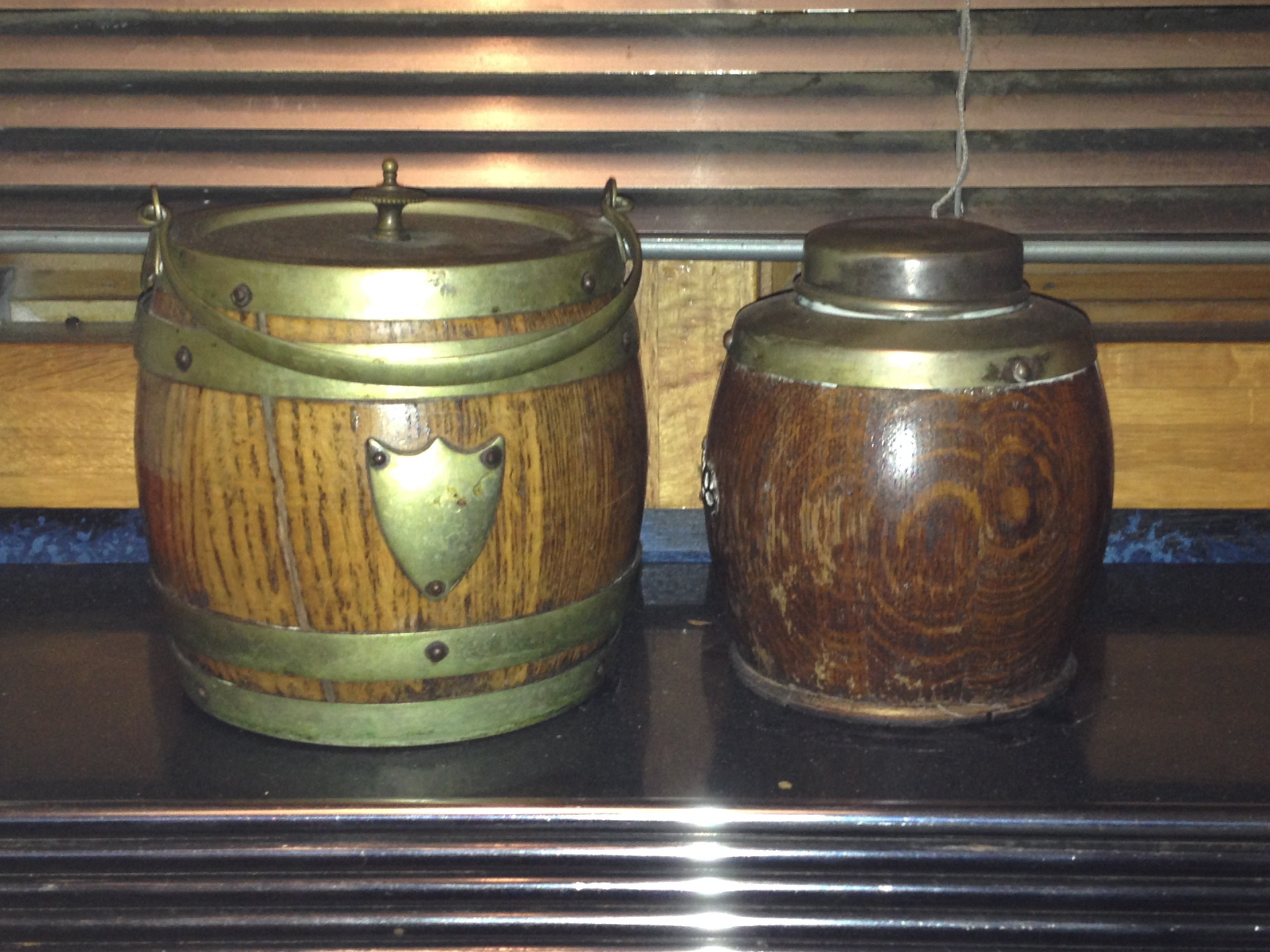
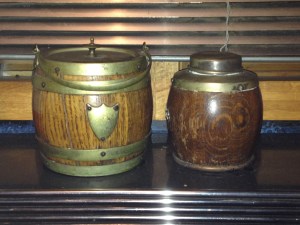
Pioneer lunch pail and coffee thermos

Pioneer lunch pail and coffee thermos

(oct)My House The Pre-Civil War Trading Post

I was interested in the history of my house, the pre-civil war, trading post, from the moment I saw it. Bob, (my husband) gave me directions over the phone,” it is the large, white, pre-civil war building on the corner, a block east of State Line Road, you can’t miss it.”

When I pulled up to the place, I had noticed how adorable the neighborhood was. An old working class neighborhood from a time when families with children, once lived. Some were typical depression era bungalows. Many still display the original ornamental trim and stone masonry foundations and porch pillars. An occasional leaded glass door with frosted etching to greet guests, all reminded me of that “Mayberry,” small town charm.

However, not a child to be seen, not a toy in a yard, or a child’s bike on the porch. I haven’t had to buy Halloween candy, since I moved in 5 years ago. The residents have lived in their homes and this neighborhood for a life span, their children grown and moved on, only an occasional Jehovah Witness, if visitors at all. As the properties become available, the homes have been converted into rental properties, apartments, and the type of  commercial properties that sell antiques, hot coffee, beauty shops, pet groomers, and law offices.

The large, vividly colored, Victorian house on the far opposite corner to the trading post, stands empty, it has been used as a restaurant, but nothing has survived since the murder-suicide, of a couple of guys, that once owned it and made all the beautiful renovations.  The bodies of three males, dead in the middle of the street, outside the magnificant home, after a domestic dispute.

Apparently, the resturant owner came home to see that his partner had remodeled the entry hall, with a plum colored wallpaper, without his consent. A fight broke out between the two, which escalated. As one fellow went running for his life into the street, he was shot by his partner, however right behind the shooter was the kitchen cook, who was having an affair with the man fatally wounded. With another shot fired, the cook killed the interior designer, realizing what he had done, he took his own life. (I apologize, if offensive).

Another notorious murderer, from this neighborhood is that of, Bob Berdella (human heads were found in his backyard after a brutally tortured, young naked man escaped). My dad, who loved to go shopping on Saturday mornings, almost bought one of the human heads that Berdella had for sale at the Flea Market Bar and Grill on Westport Road. Too gruesome. Its stories like that, that can shame a neighborhood. But, you wouldn’t know that from the large colorful banners, honoring KU, K-State, and MU, that drape from porch railings and attic windows. College territory has replaced the frontier.

It would appear that the median age of the residents, are 28 years old. Bob and I feel old. Guys in their 20’s own their own home in this neighborhood (and they take in numerous roommates.) Some rent, others inherited the house they live in. Lucky kids.They are artist, musicians, and tavern owner, lawyers, doctors, and teachers. Late at night, when sound travels, you can’t walk past more than three houses without hearing a full live band, practicing in a basement or garage. The artist, have their works displayed everywhere, it’s a beautiful place, if you have an eye.

As I came into view of the pre-civil war tavern that Bat Masterson, Doc Holliday, and other pioneer figures are said to have been, I could easily imagine the rambling frame structure to hold ghosts of the past. However, the illusions of taking a trip back in time disappeared when I entered through the double doors of Bob’s modern law office.

The interior has been completely redesigned. A reporter for the “KC Counselor,” described his visit, as “startling.” I agree, stepping into the historic building requires a mental transition. It is a feast for the eyes. Few would have seen the possibilities, much less a comfortable habitat. The ancient structure’s lower level was once a dirt floor dance hall, and the sagging rooms defy a carpenter’s level.

The entry has a wall to wall bookcase, stacked to the ceiling with a library of books, albums, and music and golf memorabilia. To the right is an iron staircase that ascends into a narrow opening. In front of the bookcase, an antique (19th Century) commercial, glass display cabinet, made of oak, the type once found at the jewelry or drug store, with green felt lining in all the pull out drawers in back of the case. This treasure, left behind by a previous proprietor, was filled with artifacts of Bob’s life. He had created a new-age living style from resurrected butcher carts, discarded old dental office furniture, and various whimsical art deco artifacts and many of Bob’s over-size photographs, oil paintings, watercolors, and much more.
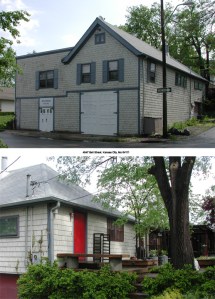
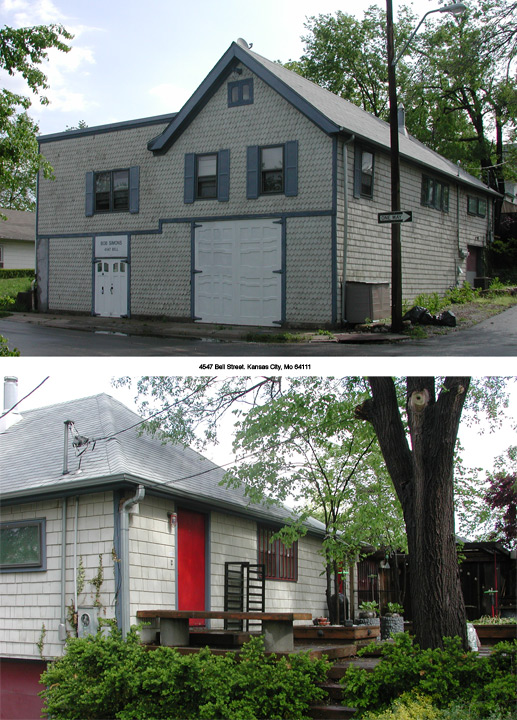
Property (2012)
Property (2012)
Bob Simons, guitar player with Romantics, pictured on right
Bob Simons, guitar player with Romantics, pictured on right.

My House the Trading Post, has introduced readers to my home town of Westport, Kansas City. The area boasts a rich history as the oldest established community in Kansas City. More than 150 years ago, Westport marked the passage into the Western Frontier and set the foundation for what it is today. The neighborhood’s historic past is fused with creative individuals, quaint houses, thriving shops, fashionable boutiques, local eateries, and hot night-spots.

Bob Simons, is the current owner of the saloon built-in 1853 that served early Westport and the Santa Fe trail. It has been rebuilt to accommodate the practice of law, music, and art-all at the same time.

Bob is an attorney at law. He has practiced criminal defense and family law in Kansas City, MO for more than 40 years. He is also a fantastic guitar player who has appeared many times at Starlight Theater, the Uptown, and similar venues with B.B King, Ray Charles, the Romantics, and the like. Presently, he plays pedal steel guitar with Max Groove, New Age Jazz and R&B keyboardist.

He also regards himself an artist. He has shown painting, photography, and sculpture from time to time in Kansas City, Santa Fe, Sedona, and Denver. He receives royalties for his photographs displayed in art textbooks written by professor Stone. Students at the Kansas City Art Institute are sometimes introduced to Bob’s interior design style on their spring field trip to our house. At present, Bob finds it more fun to make dollhouses for me and our grandson.

I’m goin’ to Kansas City, Kansas City, Kansas City here I come.

I’m goin’ to Kansas City, Kansas City, Kansas City here I come.

They got a crazy way of lovin’ there and I’m gonna’ get me some. I’m gonna’ be stand in’ on the corner Twelfth Street and Vine.

I’m goin’ to be stand in’ on the corner Twelfth Street and Vine, With my Kansas City baby and a bottle of Kansas City wine.

Well I might take a train, I might take a plane,

but if I have to walk, I’m gonna’ just the same.  I’m goin’ to Kansa City, Kansas City here I come.

They got a crazy way of lovin’ there and I’m gonna get me some…

Everybody in Kansas City has heard that tune. The song was written by Jerry Leiber and Mike Stoller (1952) It tends to be a requirement for local musical bands to be able to play.

This past summer (2013) I enjoyed listening to a band play in Danny Cox’s backyard, over on the Kansas City, Kansas, side. Danny, who’s voice can be recognized singing the catchy, Grass Pad Gingle, “…The Grass Pad’s high on grass…” was a Woodstock musician, and is a local t.v. and theater actor. He hosted a house-warming party, after a long remodeling project.

A bandstand was built out of planks of wood, and power cords ran the length of Danny’s yard. The vacant lot between Danny’s house and the boarded up house, next door, started filling up with people shortly after, four o-clock in the afternoon. The homes in the neighborhood were built around 1910. Across the street, three small homes with new roofs had residents who were just getting home.

A Kansas City treat, to be invited to a house-warming party and get treated to a concert. A group of men from Australia stepped up onto the hand-constructed stage. Their instruments were already on stage. The guitar player slipped the strap of his instrument around his neck. The drummer stepped across the stool with one leg and picked the sticks up off the drums as he sat. A large man stepped in front of the microphone. Soon music was filling the air. The crowd was still growing as guest continued to drive up in decorative Chevrolets, Fords, and Buick low-riders, and parked them in another vacant lot.

The Australian band played a good set of Kansas City style blues, with a nice rock beat. However, once the guest band took a break, the crowd went wild when a group of Danny and his friends took stage and warmed up their instruments playing the tune, “Kansas City.” Their next tune was,  “La Bamba,” in honor of the hard-working neighbors, who lived across the street, just getting home from work.  Kansas City is rich in history, good people, and talent.
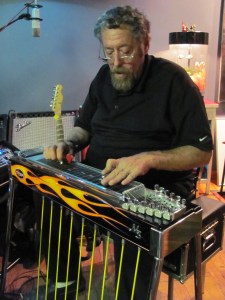
Bob playing pedal steel guitar
Bob playing pedal steel guitar.
Standard
Art, blog, History, Story, Uncategorized

Early Settlers In Pioneer Days

Chapter 1

Early Settlers In Pioneer Days

1900's
1900’s

Kansas City was one of the stopping places for early settlers in pioneer days. At one time people traveled through Kansas City by boat, horseback, and stage-coach. Missouri offered all a man could desire, rivers, valleys, hills, and plains. Yet, people were on the move West. The reasons for travel varied from fur trapping, hunting, adventurers or quest for gold.

A small group of men organized to form the town of Westport in the 1820’s. These early settlers liked the wilderness area west of Independence Missouri and North of Saint Louis. Lewis and Clark, years earlier, had noted the territory was perfect for resting the horses with its sheltering woodlands and clear running springs.

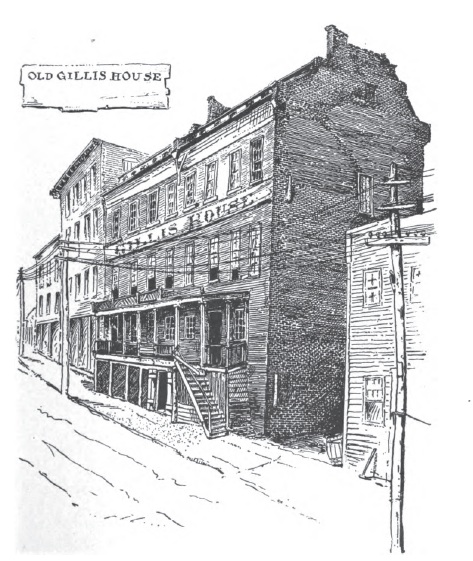
Gillis house

The first structures were log cabins. Boards were applied to the esteriors later. The general shape of these oldest buildings like my house, had small panes of glass, and an outside chimney. One of the popular establishments that developed in those early days was that of the Trading Post. Trading practices with the Indians flourished because traders had a great influence with the Indians and the government relied on this relationship. The Indians were extended credit and the traders were soon able to replace the log cabins with two-story Taverns and Dance Halls.

Westport became a rough and rowdy frontier town. The town was overrun with gun-toting renegades, drunken Indians, and Mexican War soldiers. A man named, Vogel, ran a tavern in Westport.  Taverns in those days were used for community business, socializing, weddings, and funerals, which took place in the large main room, often fitted with a bar and some shelves. My house is that tavern.

In the winter of 1829, a resident of Westport, a Mrs. Rachel Patterson was widowed when her husband had a heart attack. Mrs. Patterson survived with 6 children, I think mostly boys. Sadly, Mrs. Patterson was denied the right to have title to her land where Mr. Patterson had built their homestead. Her land was situated on the far west quadrant of Westport, along the Kansas State Line. Kansas at the time was Indian Territory.

Most mothers snatched their children from the paths of the madmen and travelers in Westport. However, the Patterson children played with the Indian children from the Kansas reservation and grew up friends with the Indians and had a way with making friends with folks around town. This was a lucky thing for Widow Patterson, because, as she took her “land ownership” case to court, she would need a few secret admirers to help her succeed.

Mrs. Patterson vs. the State of Missouri, Jackson County, Westport Kansas City, was a case that is documented to have started in 1830 and wasn’t settled until 1877. Widow Patterson did win her case. But by then, women’s rights had begun, slavery had ended, and the Indians even moved on. The fascinating part of the story, is how Mrs. Patterson survived all those years and how my present day house may have provided income for the Patterson’s family.

breadwagon

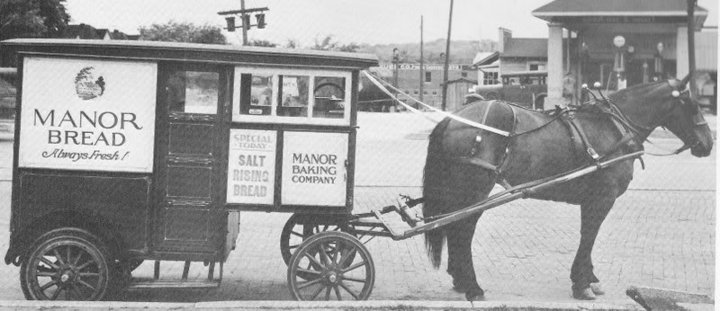
My research has discovered that Mrs. Patterson may have sold whiskey. While, flour mills were in operation in Independence the whiskey business was popular in Westport. By the 1830’s there were two-million people in all the Missouri Territories. The earliest census of Westport stated that there were 12 businesses, including one Indian owned trading post. Nine of those businesses were taverns or trading posts.  Men like John McCoy, had a combination general store, tavern, home, and post office. The women of the time ran businesses, too. These businesses were often, boarding houses, or the women sold fresh bread.

A priest traveling in 1840, to the frontier town of Westport noted that during his travel in the Missouri wilderness, he encountered an abandoned cabin where a poor Indian woman had died a few days earlier. Imagine Westport, where Indians with shaggy ponies tied up by the dozens to poles along the houses and fences of Westport Road. Indians, with shaved heads and painted faces, other Indians with long flowing locks and a few wrapped in blankets, all strolling down the streets and lounging about the shops. Also note, it was illegal to sell whiskey to the Indians.

It is my belief that Mrs. Patterson or her sons ran a tavern on the west of end of town, and sold Whiskey to the Indians. Pieces of history indicate that this building I call home, was once that structure of an old Westport original tavern.  After Kelly’s Tavern burn to the ground as a result of a kitchen fire, men started to remove the old wooden buldings. One owner sold his old wooden tavern building for as little as $5.00.  Several stories indicate that two-story buildings were rolled along Westport road on huge tree logs, pulled my mules. Logs are still under my house, to this day.

Mr. Kelly, a prominent tavern owner, lost his first wooden tavern, at the corner of Westport Road and Pennsylvania Ave., to a fire. Irishmen brought with them a great skill for brick and stone. He hired many talented Irishmen to build a brick tavern on the corner; where it is still in operation today. Kelly’s Tavern in Westport is the oldest surviving tavern in Kansas City. I loved drinking and dancing there in my 20’s (in the 1980’s). Every college kid, from far and near has partied at Kelly’s Tavern.

Other shop owners were jealous that Mr. Kelly had such a fine brick establishment, that many replaced their taverns with brick also. Although, the paper trail ended regarding the purchase of the building and moving it down the street, I believe that a man like, Mr. Harris gave or sold the building to Mrs. Patterson or one of her sons or to someone who rented land. Because the building sits on the plot of land once owned by Mr. Patterson, at the corner of Mr. Harris plat. Later Mr. Vogel purchased all of the Patterson’s land.

My house is about 200 yards from the Kansas Indian Missionary and Schoolhouse. The Indian School is now a museum and tourist site. It isn’t possible to walk to the missionary school from my house today, because tall, modern, cement, stone and brick buildings line the roads and form multiple blocks that create a barrier where the wilderness once allowed a path. The local newspaper of Old Westport, reported that a “particular tavern not more than 200 yards from the Indian Mission was suspected of selling spirits of alcohol to the Indians and contributing to the derelict behavior of the savages.”

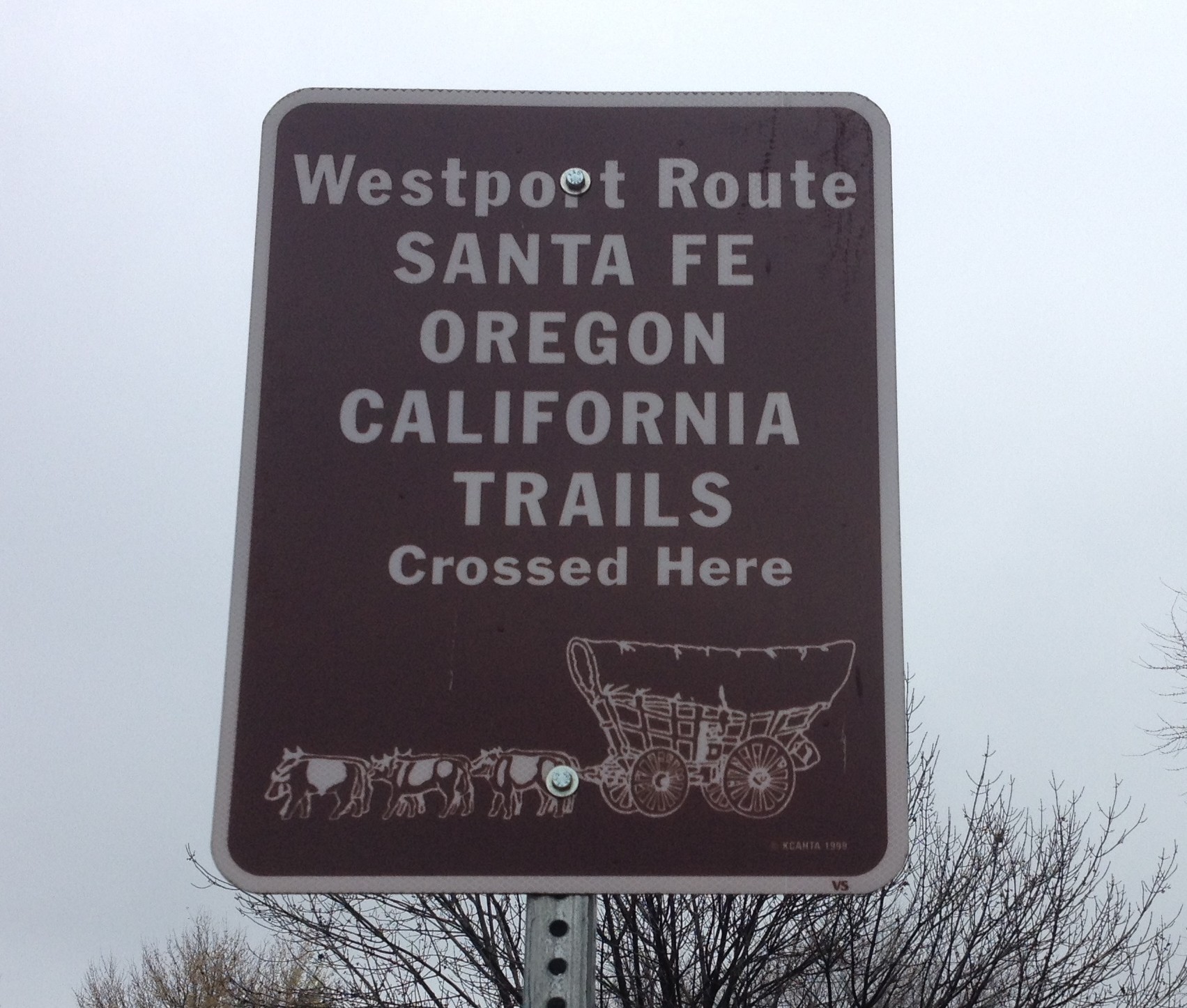
westsign

I live in one of the oldest wood trading posts, remaining, since the days of the pioneers. It was the last place to stop for provisions on the way west, and the first chance to buy a beer after a two months cattle drive on a dusty Santa Fe trail. (1822-1880)

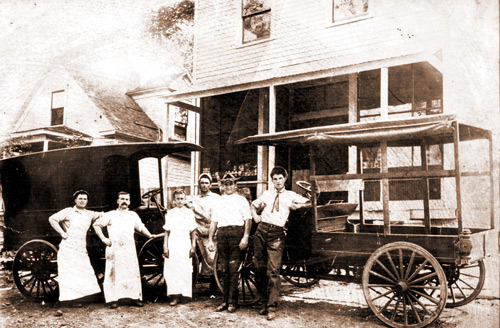
1909 Grocery store.
1909 Grocery store.

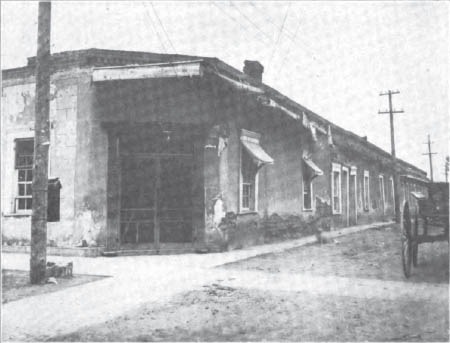
A boy, as tall as the gentlemen he poses with, stands in front of the grocery store in a picture, from the year 1909.  That young man was 98 years old, when he shared his accounts of the property. He lived up the street from us. He gave Bob, that picture of our house. The man had worked there, at the time of the turn of the century.  As he tells it, his family owned and operated the grocery store.  When the property was first built, the Santa Fe trail and cattle drive came through Westport.  This property, was the last post to buy something for settlers leaving town and the first place the cowboys saw, coming in.

Originally, the two-story building was fifty-yards up the hill. There was a pond at the current spot of the residence. Once the pond drained down to bed rock the house was set squarely by the road. The house was set along the far side of the pond, by engineering logs under the building, and dragging it down the hill with mules. The dirt foundation was replaced with cement, sometime in the 1980’s. In order to pour the foundation, the house had to been raised, exposing the huge logs for the first time since the logs were used to move the structure in 1855.

Pioneer lunch pail and coffee thermos

During the renovations that began in the late 1970’s,  a portion of an old dirt road and cobblestone curb was discovered in the backyard while Bob was landscaping, along with old medicine bottles and whisky jars. The Five layers of roofing and petrified wood on the house, provided an architectural manual of the different carpentry techniques used, as each layer exposed the years dating back to 1860.

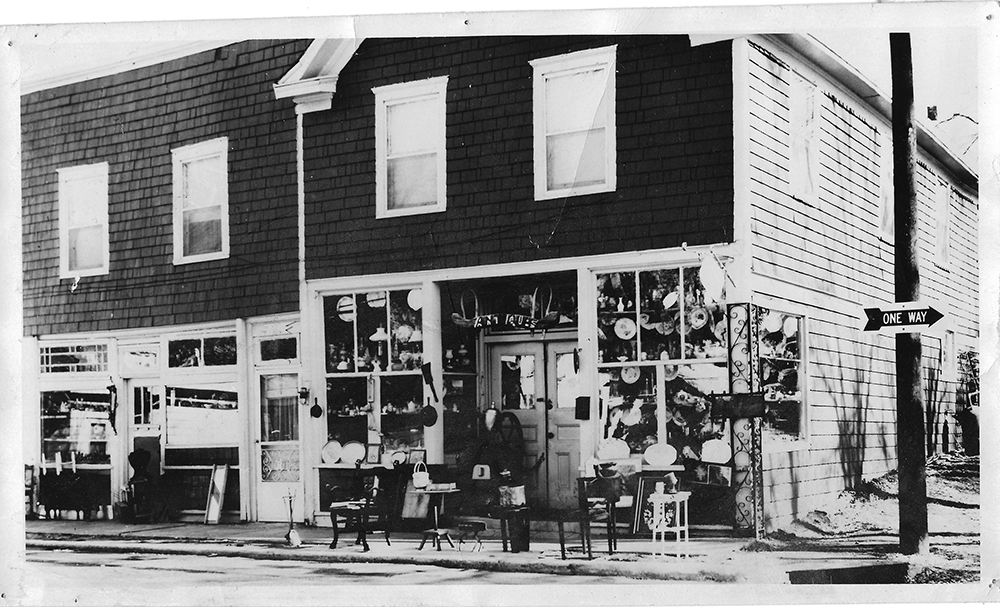
1960 Antique Store
1960 Antique Store

In 1860, the place was a  tavern, by 1909 it was a general store. Shortly, thereafter if fell into the hands of a contractor. By the mid-20th century the property had seen its best days gone. In the 1950’s, it was owned by a junk dealer who had the place packed to the ceiling with antiques and had two rental apartments upstairs. It was in that condition that our good friend, Drake, acquired the property and started those late 1970 renovations. He needed a commercial building for, Drake Design, a company that made fiberglass molds for the auto industry.

2008 Law Office
2008 Law Office

My husband Bob, bought the property from Drake. After 12 years of solo labor, Bob, was able to convert the house into its present condition and design. Bob has lived here for over 30 years, practiced law, worked on his art, and rehearsed a band or two. I have lived here for five years and absolutely love the place.

1867
1867

The original building was a rectangular, 2 story building with a large main room on the first floor.  In the late 1800’s an American Indian man, who owned the trading post/tavern, enlarged the building on the north side, doubling the size of the  building to 5000 square feet, utilizing a slant in the roof for a lodge pole, the technique matched the traditional structures built by his tribe.

Old Santa Fe Trail. 45th street facing west toward, Bell Street.

During the spring and summers of 1852- 1855, over 90,000 head of cattle traveled the by-way each year. The Stockyards operated in Kansas City’s west bottoms from 1871-1991. Once the railroad was installed it became the main means of transportation after 1870. These events had a significant impact on my house, the trading post, and its history.

Standard