Kansas City’s streets, prior to 1872, were frequently impassable by reason of the soft clay, kept continually wet by the overflow of spring water in the streets. The Johnson family were one of the first settlers to cross the Blue river, which is south of Westport. The Blue river was redesigned and gave birth to Brush Creek. The road that crossed their land was called Woodland Avenue, because when it was first laid out, there was a heavy growth of timber which gave the name to the street.
The City River Market area, is where the City of Kansas City begins. The picture shows the same area of Independence Avenue and Main Street (today and in 1830)
The peculiar bend in lower Main street is explained by the fact that when the street was opened and graded southward the city encountered an obstacle at Missouri Avenue. A Mr. McDaniels lived in line of the new route and he wanted one hundred dollars for interfering with his well and front yard. After several weeks spent in negotiation the city council decided the city could not afford to pay for such improvements. They compromised by turning the street westward, thus saving Mr. McDaniels’ yard and well.
Some of the streets were named for Kansas City people: Guinotte, Hardesty, Shelley, Scarritt, Bales, Goodrich, McGee, Troost, Garland, Scott, Warner, Watkins, Winants, Tichenor, Smart, Ridge, Heist, Campbell, Chouteau, Merceir, Martin, Mastin, Hasbrook, Munford, Hale, Henderson, Gregory, Holmes, Hunter, Baird, Salisbury, Hopkins, Marsh, Shcaffer, Merrill, Anderson, Allen, and Dunham.
The following thoroughfares were named for cities and states: Baltimore, Denver, Brooklyn, Colorado, Quincy, Illinois, Delaware, Alton, Indiana, Missouri, Pennsylvania, Milwaukee, Michigan, Lawrence, Lexington, Rochester, Santa Fe, St. Louis, Virginia, Wyoming, St. Paul, Springfield, Fort Scott, Richmond, Winchester, Frankfort, and Independence.
These streets were named after statesmen, authors, and soldiers: Madison, Douglas, Lincoln, Lafayette, Franklin, Blaine, Monroe, Jefferson, Washington, Jackson, Cleveland, Harrison, Garfield, Benton, Fremont, Clay, Sherman, Hamilton, Gladstone, Irving, Whittier, Bryant, Randolph, Peery, Boone, Fulton, Aberdeen, Bayard, Pendleton.
Numerous changes have been made in the names of Kansas City’s streets since the period shortly after the Civil war. Previous to that time most of the streets bore the names of the members of the old pioneer families. A few have been retained.
The Chemist reported the water was poisoned. The Internet can bring poison into the home. The first water lines that ran to the homes carried tainted water. In time communities developed a means for filtering the water. The city was also responsible for building better roads and providing street lights for safe passage. In time the Internet community will become safer for all. Eventually it will be offered to the whole community, and to every citizen. I hope my adult children will be able to have Internet service. Currently, such service is a luxury that many American still cannot afford.
The rules are changing. The technology is evolving quickly. The folks of 1850 accepted all their new technologies; trains, phone, house water, electric, and cars. They kept disputes to a minimum. The individuals within each family of the community helped their city grow. Growth that made some wealthy and others lose it all.
There are two social classes of students that I have met. The first is the public school student; where in the public school less emphasis is given to history and more time is spent on teaching reading and basic arithmetic skills. The second is the private school student; where teachers don’t overlook the grammar issues, and move students forward with information. Administrative concerns in both environments pay attention to scales that measure performance. Kansas City was established by many people with varied backgrounds. Many of the pioneer citizens were educated (lawyers, doctors, nurses, chemists, interpreters, ministers, and teachers…) Kansas City currently has an unaccredited public school district. I wish, concerned more citizens.
In the history books the word monopoly is mentioned. A monopoly is the advantage of one supplier or producer over the commercial market. In America a monopoly exists when all, or nearly all of an article of trade within a community is in the hands of one person or corporation’s control and excludes competition. Monopolies have formed whenever new technology was created. Shortly after the technology was made accessible for the start-up businessman. Many small operators of the same technology sprung up. Corporations were able to meet the demand of the citizens better by buying up all the competing businesses. However, their product could only be afforded by a few. The monopoly created a power to control prices, to the harm of the public.
It has been an offense of law to possess or create a monopoly power, and fix prices and exclude competitors from the market. For example once the railroads were laid, and a railroad company established; other railroad companies formed, but there wasn’t enough commercial traffic to continue to lay multiple rails along passages. Soon there would be no room for the additional tracks and you may only end up with only a few riders per train. The formation of the railroad monopolies formed. They established a bigger company and bought up the smaller train companies. Government intervention created a system to limit the monopoly and balance control over the number of tracks and routes.
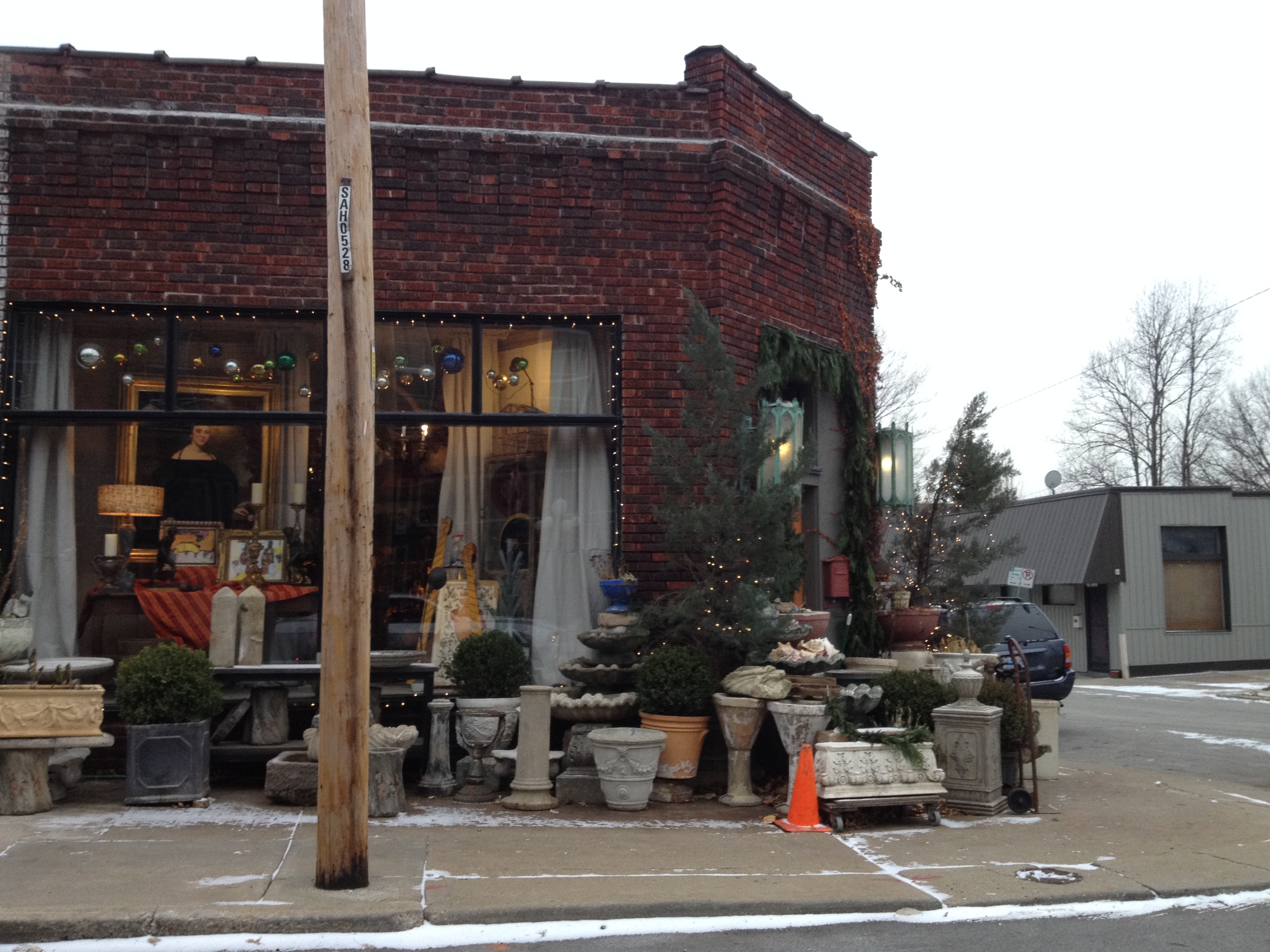
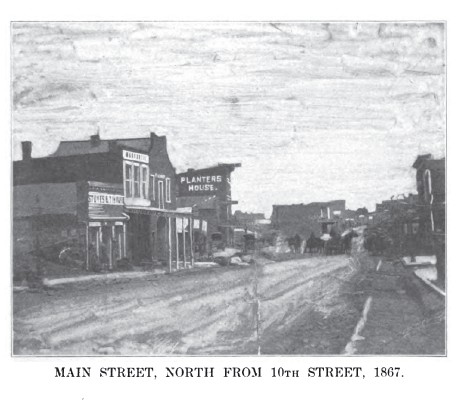
(The two pictures represent the same building; East side, after the civil war, and the West side in 2013)
When the electric companies formed. The light company was the largest public utility corporation in Kansas City. However, first there were several little companies operating that struggled to make a profit. Then the power company formed a monopoly that threatened the price of services, until Kansas City called the service a public good.
When the telephone was installed in the city, four miles of wire and poles were set across town. Two phone companies were in operation until 1908. When a new phone franchise bought out the original phone companies, the city was able to impose additional taxes, not previously considered, on the companies, their poles and wires, along with a percentage of the phone company’s profits.
Today, a similar situation is being expressed in the healthcare system. Insurance companies, were plentiful, but only a few citizens could afford the service. For years, most doctors wouldn’t even accept a new patient without insurance. Now the US Government is trying to break down the healthcare monopoly and make health insurance an essential service of public good.
History repeats itself. Monopolies form in every generation. Then municipalities make efforts to bring the essential good to all the people. Selfishness and negativity is put aside, otherwise, earthly humanity would die by its own poison.
The first settlers sat on a log in the woods marking a map in the dirt that divided out the land for settlements. McCoy, the founding father of Westport, wrote the following information regarding the towns early history. “In 1825, there was only one point west of Big Blue where white people lived. It was the trading post of Colonel Chouteau. An Indian trail marked the path to follow from the river bluffs to the high prairie. Several homesteads were settled. Robert Pattison, in 1825, settled at the Vogel place. The first Justice of the peace for the settlements of Westport was located near Westport Avenue and the State line.”
My House The Trading Post is located at the Kansas State line and Bell; or in the general vicinity of State line road and Westport Road. The Patterson Plat. The land was owned by the first Justice of the Peace of the frontier town of Westport. The streets have been renamed. Plats did not conform to other surveys of the town. Several land owners named the streets and determined their length and width in anticipation of a main road to Westport and the Santa Fe Trail Beyond. Westport Road has had several name changes over the years. First it started out as an Indian trail. They called it the Santa Fe Trail, for a while. For a short time, the founders referred to it as Westport Avenue.
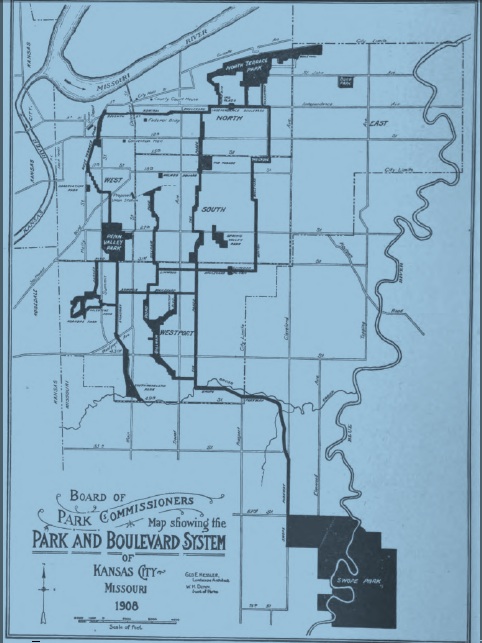
Parks and Boulevards, 1908
The map only retains a short passage visible, of an angular street that traveled from Independence through Westport to the Kansas state line. The angle of the street was straightened out after the civil war. When the land was divided into lots for new homes. The woods around my house remained until 1900. The mud rutted trail that once led from my house, the trading post, to main street downtown was destroyed by the progress of time.
The Water Works was purchase by the city from a private owner in 1895. A new Westport water-pipe was put in. Service was able to be extended to more residents. The original storage basins had no filtration system. Pipes were placed beneath the ground leading from the river, to river, to streams. A storage basin was capable of holding nine million gallons of water and was constructed with pumps to force the water to the street reservoirs.
The city took over the water works system in 1908. The city council made plans to establish other reservoirs throughout the city. At this time the city knew it didn’t have a good fresh water filtering system. The original estimate to provide adequate filtering beds was three million dollars. Records from the city chemist regarding the purity of the water indicated that there were as many as three hundred germs per cubic centimeter in the city water samples tested. Water containing less than five hundred germs per cubic centimeter was considered wholesome. The chemist did not detect any specific pathogens or disease-producing germs in his research.
At the time, some of the wells from the local springs were determined to be contaminated with typhoid fever which were attributed to several deaths. Although the findings were not unusual, the city chemist fought for improving the water. He concluded that the few deaths from tainted water was too high and could be prevented. A problem for which the city office would have to approve in order to make changes and obtain support for the financial projects of the water works department. The city evolved, adopting several new civil service jobs and municipal departments.
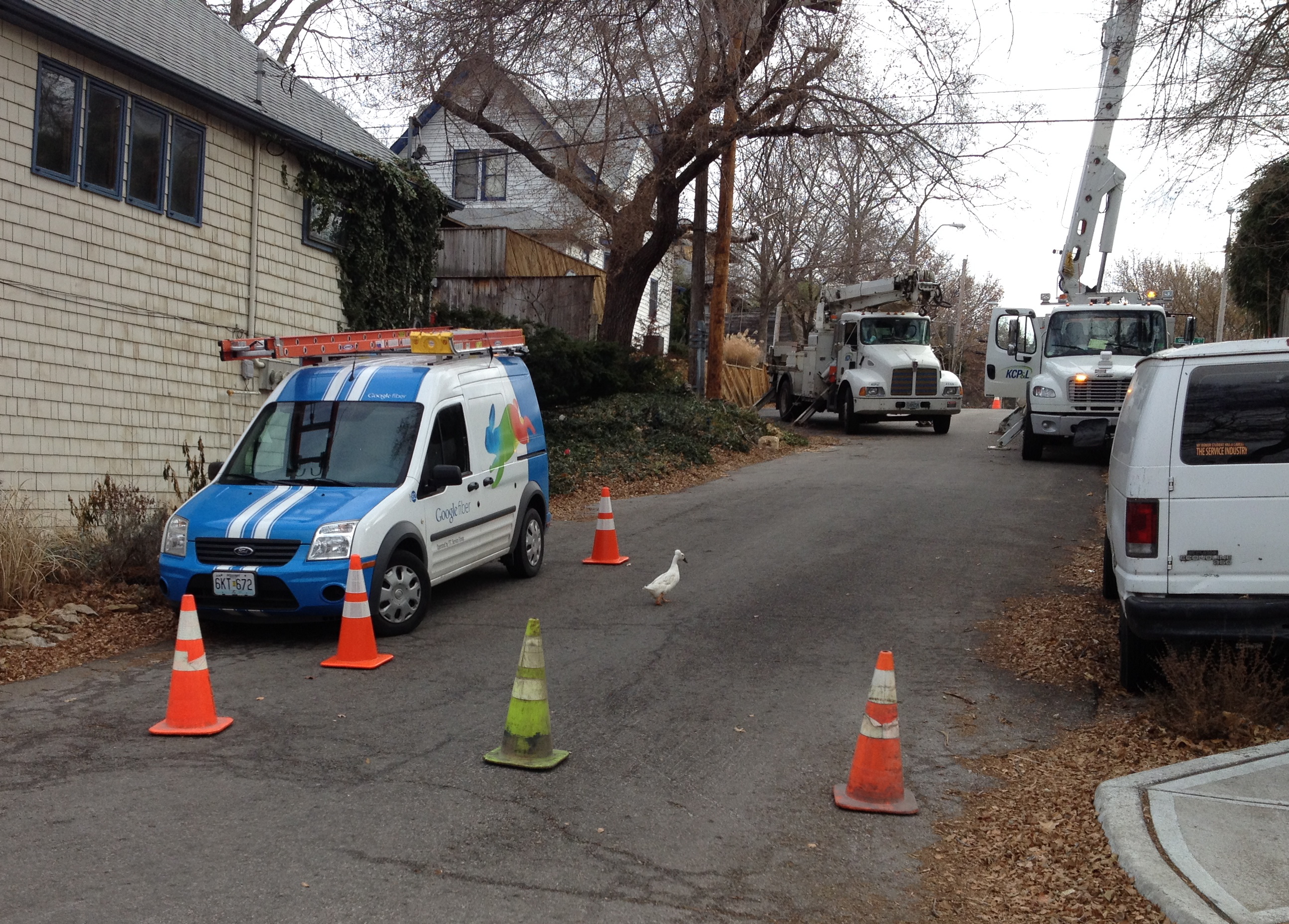
The Internet has brought Google fiber to the neighborhood and a new age of technology should be documented. What is the cost of this service? It goes up each year. As a college professor, I am amazed at the number of students who do not have computers. The number of young ladies with children, working full-time; they do not have Internet. They do not have a budget for Internet service. Internet service is being offered for free in some neighborhoods, through a type of neighborhood coalition or association or contractors promotion. Internet is becoming a necessity like having access to clean water.
2013 Google Fiber Arrives
The newest technology of all, invites the world into your world. The Internet can be as intimate a community as the Santa Fe Trail was in 1850. A citizen could sit on the porch of their farmhouse watching the travelers go by on the main route to adventure. I can sit in my house the trading post meeting those traveling the Internet. In 1850, a trading post owner could set his building beside the road for traveling folks to purchase provisions. I’d like to set up a trading post online and sell books, poems, music, and artwork.
Essential services have improved the quality of life for everyone. We will still have poor folks, and still have capitalism. Sometimes many inventions and new technologies are developed so quickly, that it takes the city, state, and governments time to catch up. Local and Federal Governments have a little trouble reorganizing departments to handle the social need. Occasionally a political vote is needed to determine which, and if any, decisions to move forward. (But, only when race or prejudice is involved, does war break out).
A Mexican man, who could not speak English, was a familiar figure in Westport, because he traveled back and forth over the Santa Fe Trail. On his stay in Westport, he fell in love with a woman named Mamie, who couldn’t speak Spanish. With the help of Mr. Polk, an interpreter, the Senor, offered Miss Mamie a gift of a beautiful lady’s riding horse with white satin bridle and a magnificent silver studded Mexican saddle. Along with the saddle, twenty-six loaded wagons with every yoke of the oxen decorated with a white satin rosette. This gift was offered if she would accompany him to Mexico. Mamie was only 16 years old. She turned him down. Mexico was a long way from Westport, Missouri, and her friends. She did not want to be in a strange country, unable to converse with her husband.
This daughter of a pioneer, cried so bitterly, and was so unhappy. Because she loved the foreigner. The Senor knew this, so he arranged for her childhood friend, Stevie, (future Senator of Missouri) to go to Mexico with them. Together, Stevie and the Senor helped Mamie learn Spanish. Stevie Polk was promised a position of wealth. During his time there he was able to defend a client in Spanish before a Mexican judge. Mamie, however, grew lonely and wanted a companion of her own race and language and wanted to leave the strange country.
The Senor and Mamie had three sons. The boys were sent back to Westport to be educated. This gave Mamie the opportunity to make many travels to Westport over her lifetime. Mamie returned to Westport, years later, and worked as a cook for McCoy’s Tavern. McCoy’s Bar and Grill is still located at the corner of Westport road and Pennsylvania.
The people of Westport haven’t changed, we’re very much alike, and what was true of one neighbor, neighborhood, or family was true of all. The people of Westport, in 1853, would travel three to five miles to visit another family. One entire family would make arrangements to stay for several days or a week. They contented themselves with visiting each other. In the Twenty-First Century, Westport families, still come together during the holidays, like 4th of July, my birthday, and Christmas. And giving pretty gifts is still a tradition.
Mamie was offered a wonderful gift from the man who loved her. Her acceptance took her on an adventure she didn’t really know she wanted to be a part of. I can relate.
I met my husband Bob, a long time ago, when I was 11. He was a grown man, in his late twenty’s, driving an expensive sports car, an Austin Martin with Missouri plates. He laughs when I tell the story. He barely remembered the insignificant little girl he almost ran over, until the day, I came to his law office, thirty-two years after our first encounter. “I’ve Always Loved You.”
I sat in his law office, flipping through his photography portfolio; he had on the side table. He typed my divorce information into his computer. He was a very good photographer. One photo, the very first picture I opened the page on, was of the little blue sports car. Which brought back the memories of when he nearly ran over me, back in 1974. An incident, where a well-dressed business man nearly took my life. He grabbed my arm and said, “Little girl, you shouldn’t run out into the street!”
The morning came slowly. Outside, all was wet from the early morning rainstorm. I always sleep better during the rain. Not wanting to get out of bed, I reached for my husband, and he kissed my hand. We snuggled closer and I fell back to sleep.
Bob had gotten up several times in the night, he’d been a little restless lately, and suffering from a sore back. A few days back, he went outside to clean up the garden and somehow managed to slip and fall on the old wet decking. He didn’t feel injured at the time, now he’s in pain. He is not interested in seeing a doctor, which is the only advice I can offer.
Bob continued to lie in the bed for the rest of the morning. With a muscle relaxer and pain pill. I can only hope that he gets better soon. I know it must have been a nasty fall. It left a yellow and gray bruise along the side of his back. I realized it was another episode of nothing really works out very smoothly.
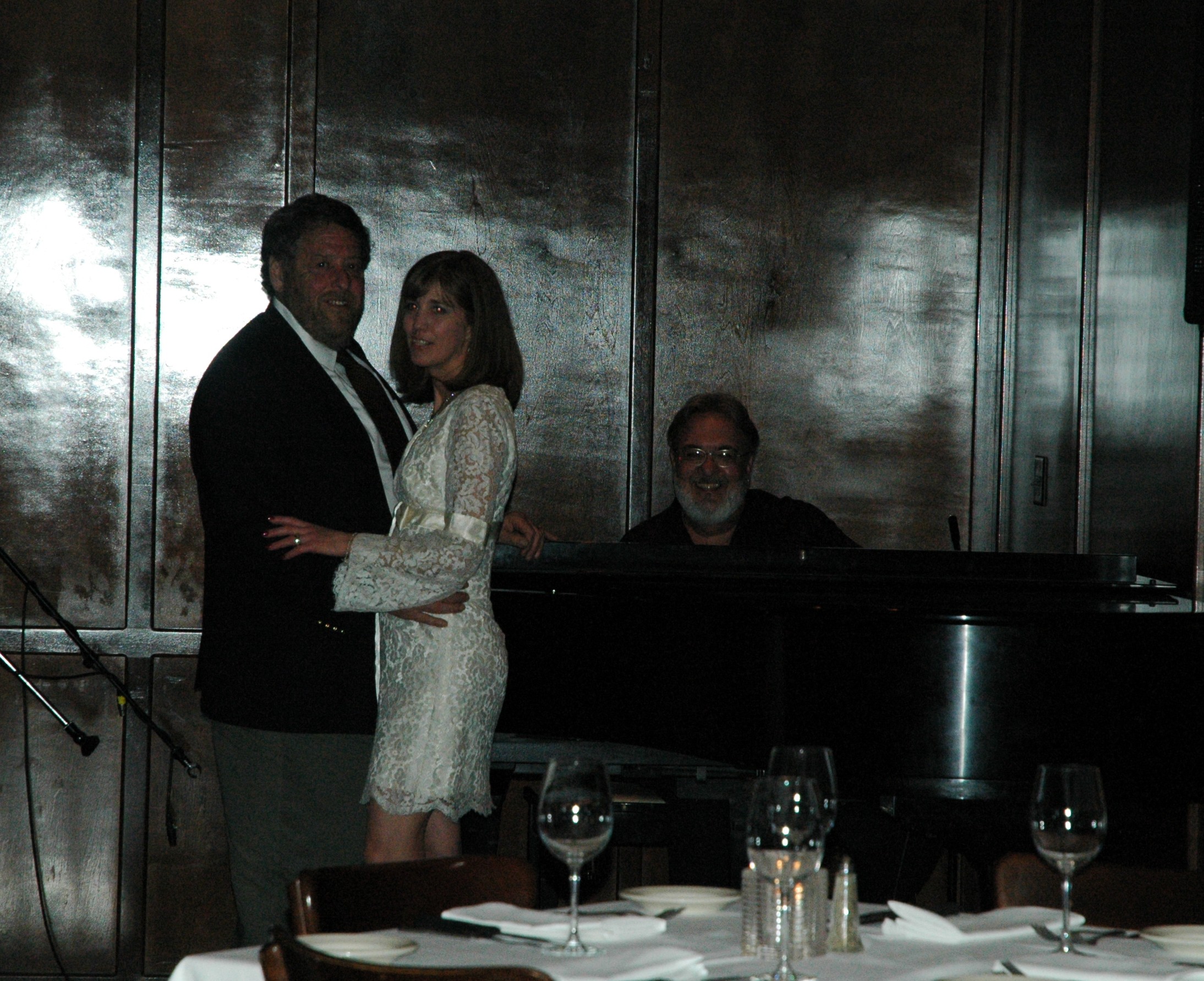
My house once served as a trading post on the Santa Fe Trail and popular spot for old gamblers. Like Doc Holiday, a true gambler that was known to play in this particular saloon. Some of the best poker games were won here. Bob took a gamble on love; we both did, when we got married. He had been a bachelor, with an impressive history himself. He had traveled, played music professionally, his artwork was displayed everywhere in the house, and his Ivy League law degree made him one of the most interesting men I had ever met.
I’ve Always Loved You
by Robert A. Simons
So much emotion.
Such a long, long time,
So many nights alone,
Till your eyes met mine.
And now when dark days come,
Your love keeps them away.
Now that your love,
Is here to stay.
So much emotion.
Such a long, long time.

So much confusion.
Lifetime for a dime.
I waited here for you,
Till my twilight time.
I wish we cold both be young,
And never let love slip away,
Now that your love
Is here to stay.
So much emotion,
Such a long, long time.

I've always loved you.

I've always loved you.
Always loved you,
And I do.
So much emotion.

Such a long, long time.
The room lite with candles “shone brightly upon the fair maidens with glossy water-falls, delaine or tissue dresses, hoop skirts and family jewels.” Young men and women, alternated standing in a circle. They moved left, holding a partner’s hand, in a game called, “Marching down to old Quebec.” In 1850, dancing in Kansas City, was forbidden by the churches. The young folks were allowed to have large parties, accompanied by some older persons, but the kids refused to call them “chaperons.” For fun, packs of older teens, would take a passage on one of the Missouri River Boats, and dance on deck to the fiddler music. A jolly captain, with a crew that supplied the teens with good southern cooking, made this excursion highly enjoyable.
Dancing became fashionable among the married sect of society women and their husbands, (the business men of Independence, Westport, and Kansas City). The two favorite events were the Pallas Ball and the Charity Ball. These events were given by the young ladies, who were teachers at the local schools and day nursery.
My house the trading post, in Westport, was refered to as a dance hall. It catered to the other type of family. The families of sturdy, good people, whose life was that of the frontier. From which they endured many hardships moving westward. The rules and manners of the parties attended, were at the discretion of the host. A party at the old Westport saloon would involve dancing and a “kissing” game. This would be followed by a “supper” that included pumpkin pie, peach pie, and buttermilk. Afterwards, the fun would continue with a run through the backwoods with candles.
The most desired and eligible young men were from Westport. The prettiest and wealthiest girls were from Kansas City or Independence. The finest parties were hosted by the sons and daughters of the first trading posts and saloon owners. The Santa Fe trade made these families wealthy. They built fine mansions within Jackson County. Their parties were legendary and drew in all the prettiest girls.
McCoy’s notes document that the Johnson Homestead, was near the long canon river bluffs, and had been occupied by Judge Bales who turned it over to Doctor Smart. John Johnson, had six children and a wife. The Johnson’s family were Methodist. They held family events south of Westport on the Indian Mission. The purpose was to honor the Indians. It should be noted that the Johnson family was adopted by the Shawnee Mission Indian’s Chief, in 1850, because of their great kindness to the tribe. The Johnson family and Shawnee Indian’s relationship is well documented. My daughter Megan has married into a Johnson family and given us, Eddie Johnson.
Before bridge parties and book clubs were popular, quilting parties were the social occasion for the mothers and daughters. Some girls would travel ten miles to arrive as early a nine o’clock in the morning, to quilt. The ladies arrived by carriage (with an old black man as a driver), pulled by one of the girl’s own personal riding horses. In the company of the other quilters, pioneer women, brought up with cortly manners and elegances, kept their words polite. The women sat on rush bottom chairs around a quilting frame while stitching in different areas.
In the olden days they said that Independence was a town with good breeding, and that Westport was a town of “good fellowship,” and that Kansas City had both, good breeding and fellowship. The belles of Independence went to some of the best schools of the west. The Wyandotte Indian girls traveled to Independence to attend the fine colleges for young women. One historic book described the daughter of a Westport man, who complained her father made fun of her eloquent educated speech; that she often spoke one way, while at home, and another when away at school.
Westport was a natural trading post for the people everywhere, going everywhere, each one carrying with them a story. Men were charming and the women strived for refinement. Many of the girls that made the society pages were called eligible belles. The daughters of the founding families, of the three cities, were described as popular and beautiful. Stories of romances and first tragedies fill the pages of history books. Kansas City, being proud of their citizens, kept many scandals out of the records.
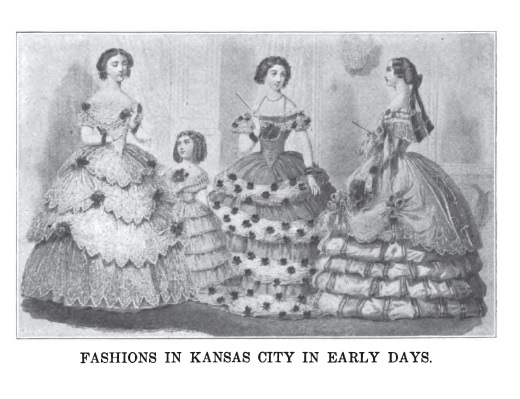
In the summer of 1850, the local trading posts and general stores received shipments of French and English, joconets, French challies, lace manellas, parasols, fans, kid and filet gloves, cotton and silk hosiery. Special signs called attention to Ladies’ Bonnets and the Millinery department for the latest Paris styles. Most orders from France arrived within thirty days. The fourth of July, brought out all the daughters to town for new purchases. Everyone was getting ready to attend the celebrations of band music or the various balls hosted by the local hotels and taverns.
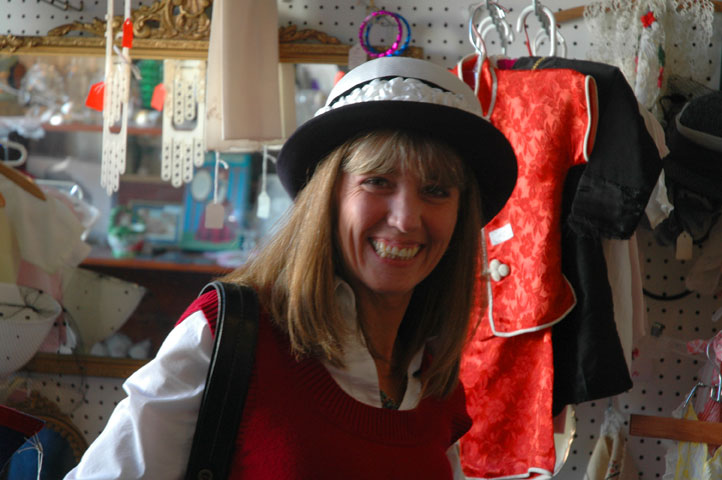
Today, the most common women’s fashion in Westport or Kansas City, Missouri is the skinny jean and the knee-high boots, ankle boot, or cowboy boot. This is a good look on most ladies, especially if paired with an extra long top or mini-dress. Television shows like, any of the “housewives reality shows” provide a gist of which fashions are popular. However, in little Ol’Westport, we have specialty dress stores, where one of a kind outfits can be found. Everyone else shops at Walmart (or Target). What they end up with, is every other girl, wearing the same thing.
Even as far back as 1909, Mrs. Westlake, a high society lady of Kansas City, noted that the women’s wear was not very stylish. Mrs. Carrie Westlake Whitney was appointed the librarian in March, 1881. In her account of her first visit to Westport, she writes,”there was incessant hammering and banging from a dozen blacksmith’s sheds, where the heavy wagons were being repaired, and the horses and oxen shod. The streets were thronged with men, horses, and mules. While I was in town, a train of emigrant wagons from Illinois passed through to join the camp on the prairie. A multitude of healthy children’s faces were peeping out from under the covers of the wagons. Here and there a buxom damsel was seated on horseback, holding over her sunburnt face an umbrella or a parasol, once gaudy enough, but now miserably faded.”
Kansas City women have been forming new clubs since the pioneer times. The women gathered to provide stimulus of association, the desire to engage in analytical thought and sustained discussions. They realized that as an organization they could broaden and deepen their intellectual work and accomplish more. In that same spirit I have established an organization, called the Professional Business Women’s Club of Kansas City, http://pbwckc.webs.com
The first ladies, who started organizations and clubs in the pioneer day sent letters out to the women they knew and messages delivered by their driver. I am sending out an invitation by blog; to any individual, female or male, that enjoys the History of Kansas City, the town of Westport, or believes children can become brave, creative, leaders from playing group sports, like soccer, to join my club, PBWCKC. http://pbwckc.webs.com/apps/members/
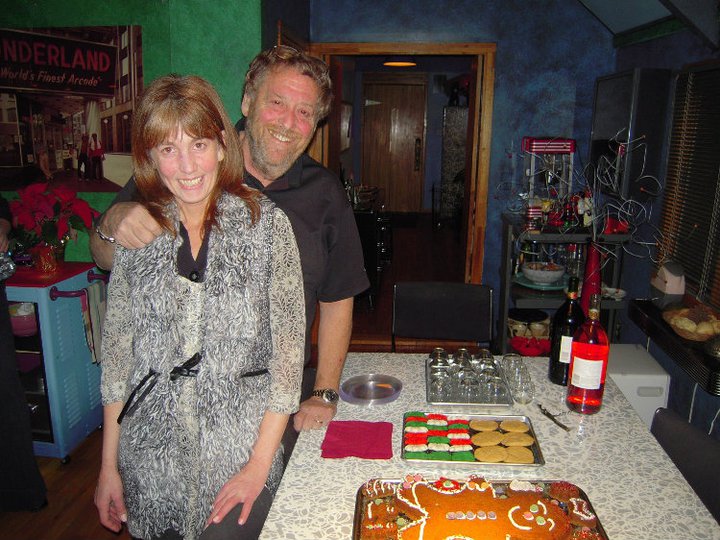
Wishing you many warm moments to share this Christmas. Thank you.
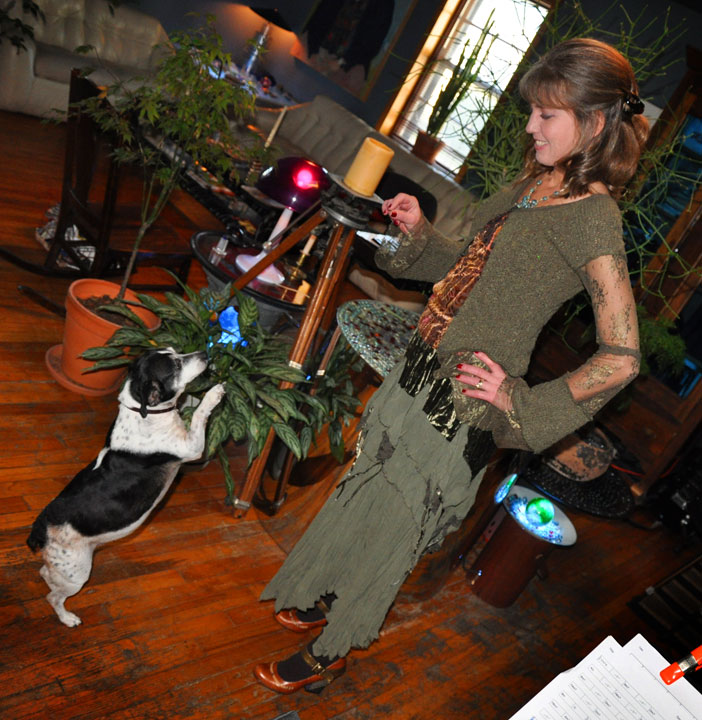
My house the trading post, today is a stage for Bob, and I. While I, make visitors feel welcome with a batch of home-made cookies, Bob, entertains them with his “licks” on the guitar.
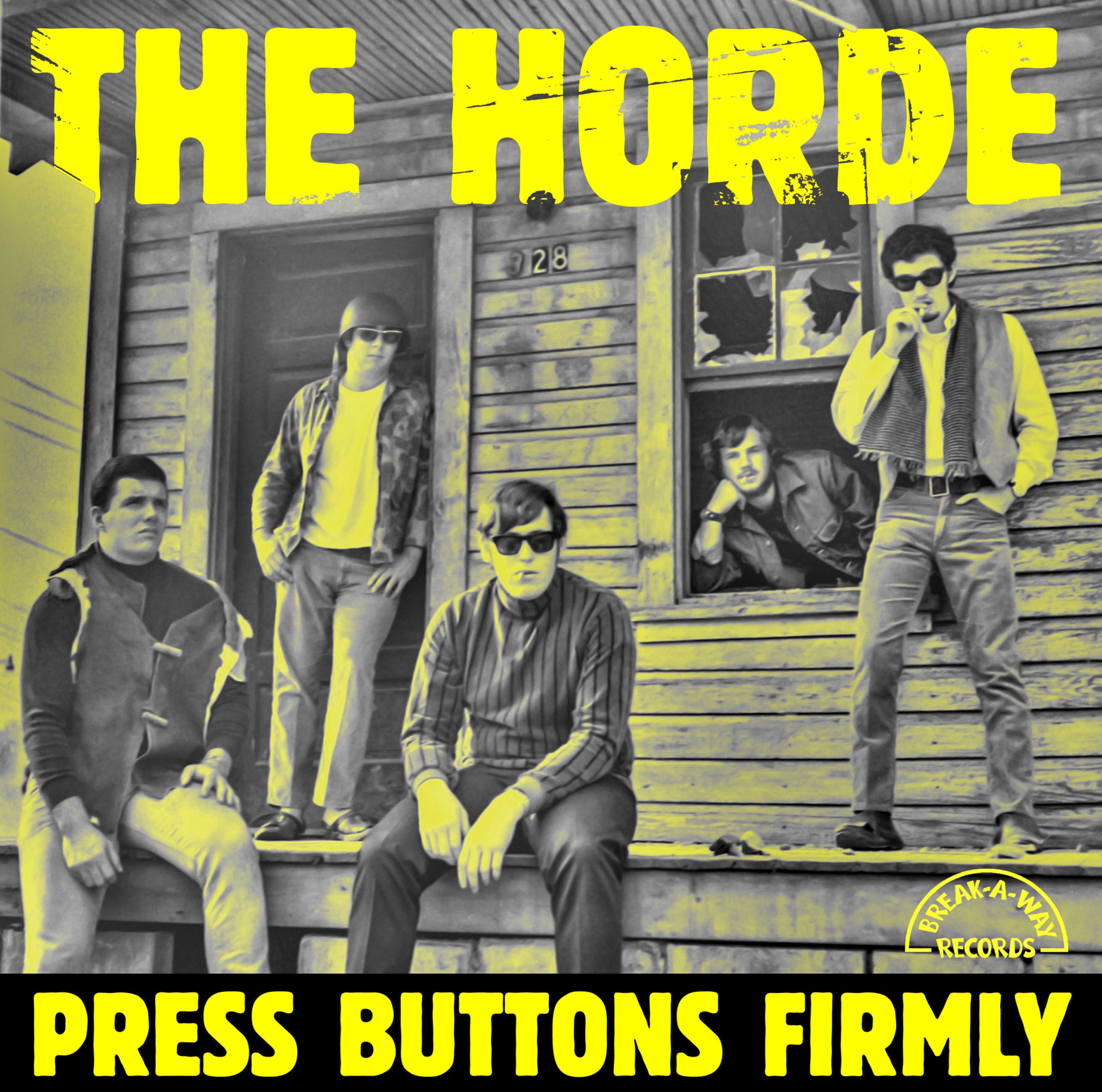
In 1967, Bob was part of a band called, The Horde. The Horde recorded a session in Durham, North Carolina while in college. That album was recently re-released this past summer. The band played gigs at numerous universities. They have been called the most exciting mid sixties garage band to ever be discovered. They starred at the usual teen dance clubs, Fraternity parties, and Student Union dances. The played songs like, “Paint It Black.” Which starts with Bob playing the guitar solo. The guys were considered hippies, traveling all over the place playing the ‘British invasion’ influenced music. They liked the raw in your face blues, filtered through British pop.
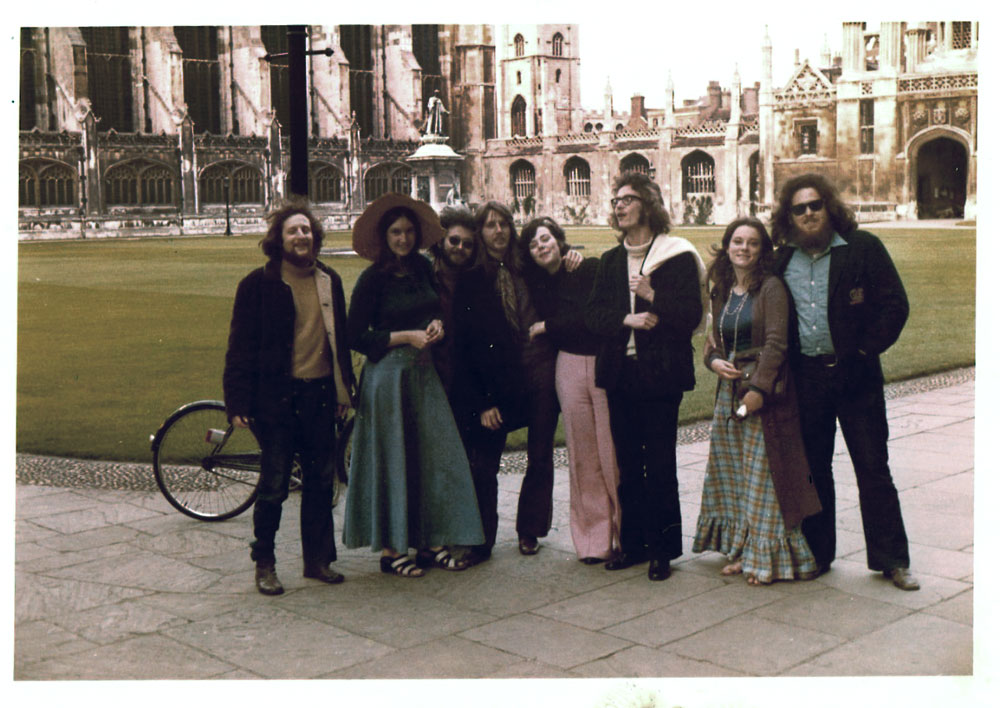
Cambridge, 1971
After the demise of the band the group went their separate ways. Bob graduated from college and went to New York to go to Columbia University Law School and later to Cambridge University, England. He now practices criminal law and family law.
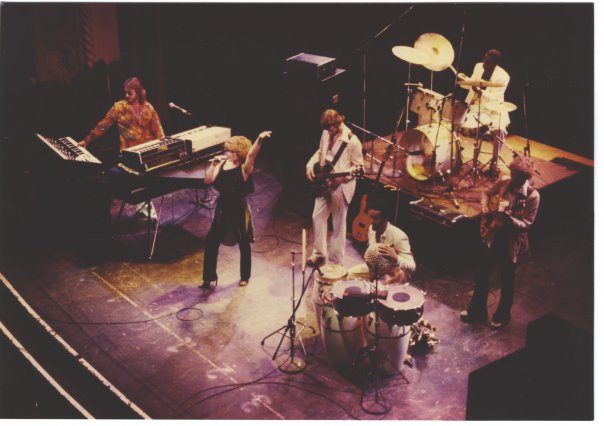
He continued to play rock and roll and other music venues through the years. He had a band once called the, “Bell Street Blasters.” With the Bell Street Blasters he played theater and stadium level gigs appearing in shows with B.B King, Johnny Winter, Stevie Ray Vaughn, Ray Charles, and others.
Press Buttons Firmly, by The Horde, Vinyl &CD.
Price: $23.99
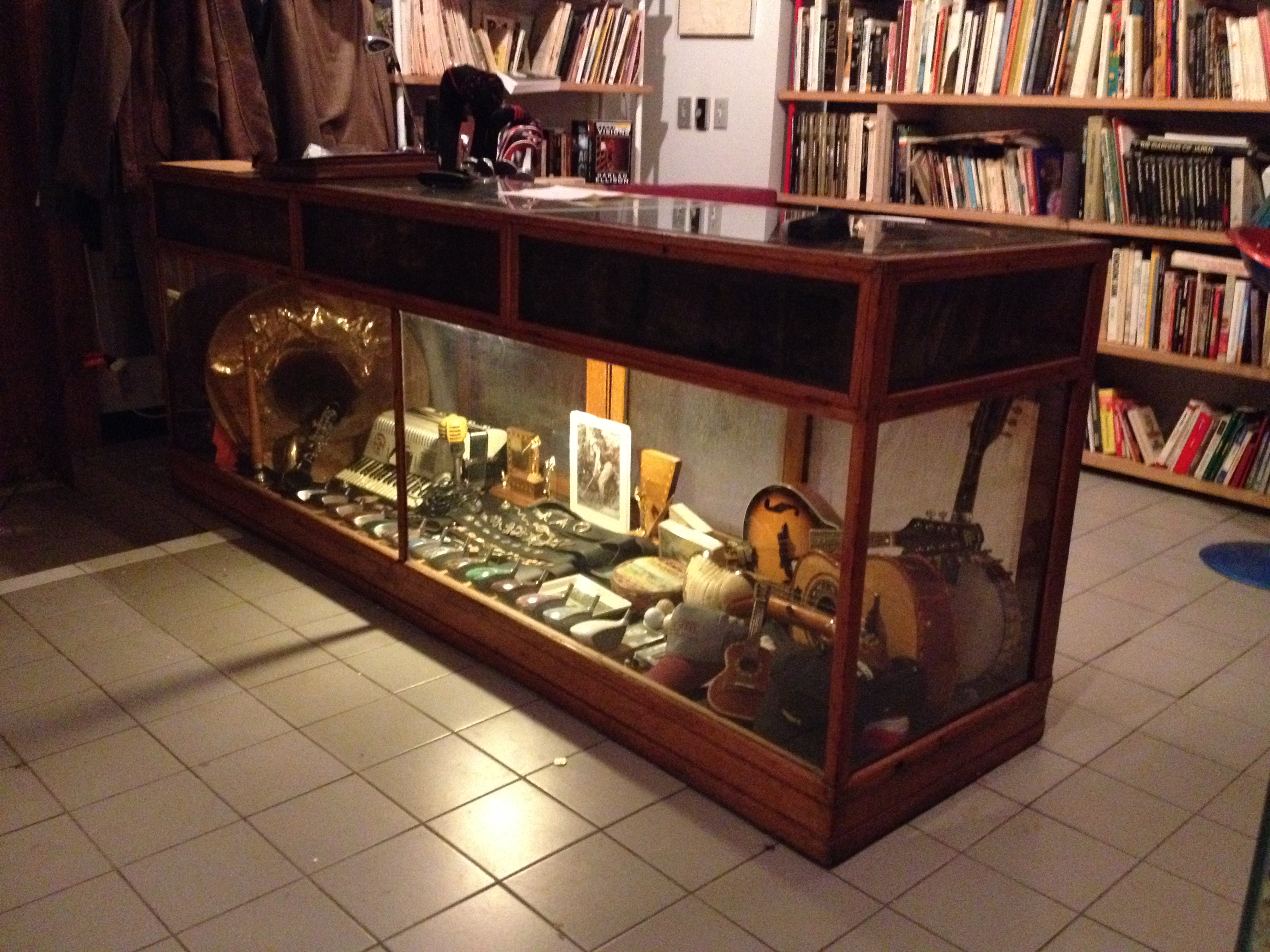
During, the past summer, twenty-five brand new vinyl, The Horde, albums arrived, with two-dozen CD’s. They sit behind the display counter in Bob’s law office. The album’s public recognition is a little late, only forty-six years, too, late. Very, very few people out there are buying the Horde’s album, “Press Buttons Firmly.” A song titled after the guys noticed the message on the juke box in a tiny coffee shop on campus.
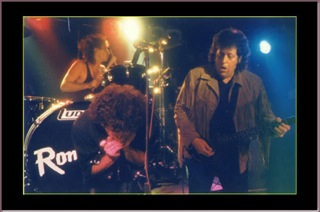
The Romantics. Bob, pictured on right.
North Carolina, in the sixties, was the deep south. The music the Horde’s were playing didn’t live up to the soul music country’s expectations. Bob and the band members, complained that the crowds constantly requested the song, “Stubborn Kinda Fella.” An incident the guys still talk about, is when a group of frat guys got fed up with the hippy band, and headed for the stage. Their drummer stared the angry mob down as the rest of the guys escaped. Take the time to listen to The Horde’s songs, amazingly good.
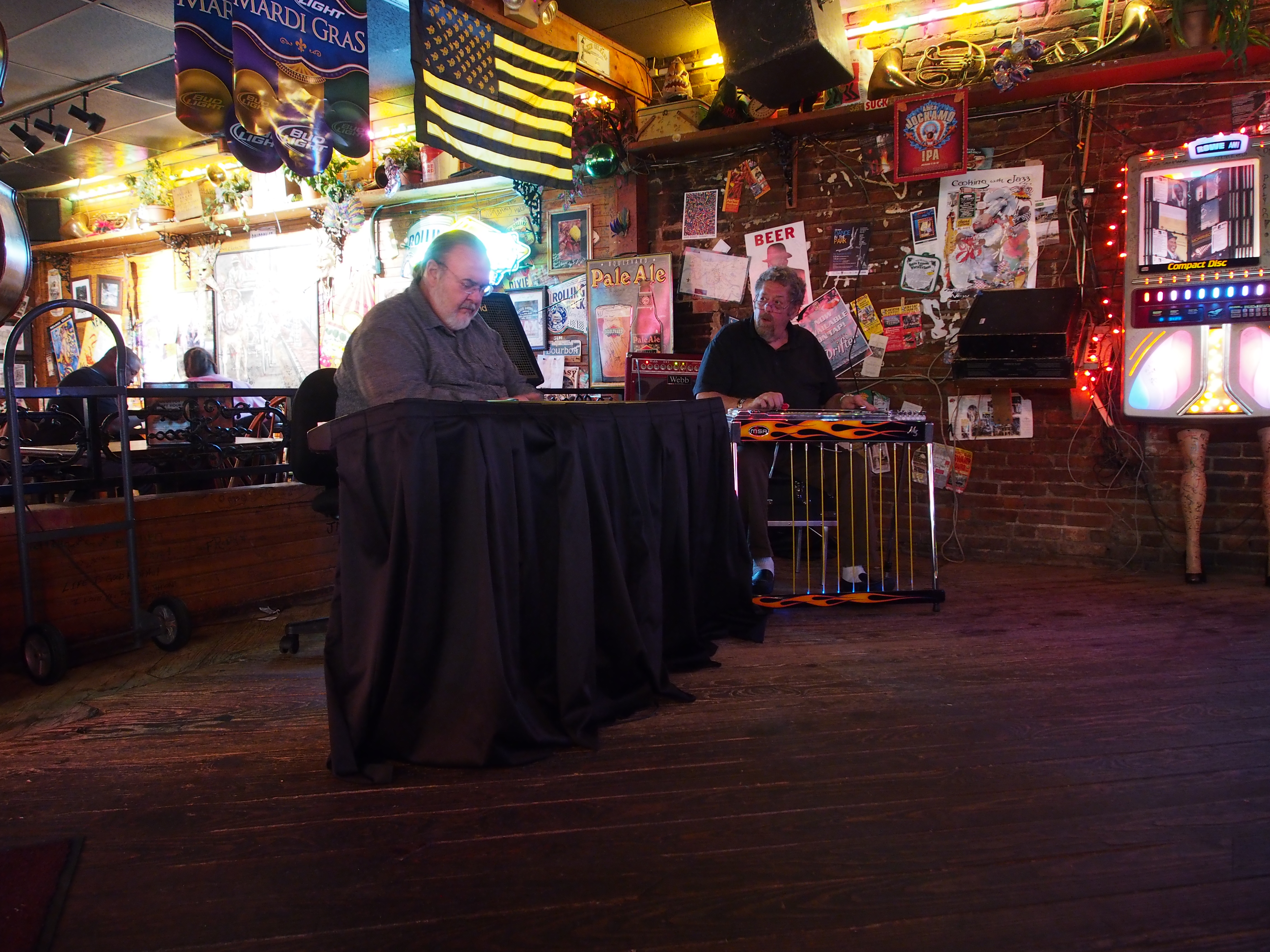
Max Groove and Bob Simons appearing at JAZZ on 39th and State Line Road.
Today Bob plays jazz and country gigs on pedal steel guitar. He has been appearing in duos with Billboard charted jazz keyboardist Max Groove. Together they play Jazz R&B or original New Age Jazz. He is a talented musician who mostly jams with friends.
If you are looking for a unique gift for a music lover, or collector, please consider, The Horde, album, “Press Buttons Firmly.” I highly recommend the album, Break-A-Way-Records did a marvelous job remastering the album. Someone out there in the world actually owned the orignal version of the recorded songs and they put them on YouTube, that can be sampled at:
The original 1967 -record of The Horde last sold on ebay for $1800. There are only 25 copies of the original studio recording. The new album is also available on Amazon for just, $23.99.
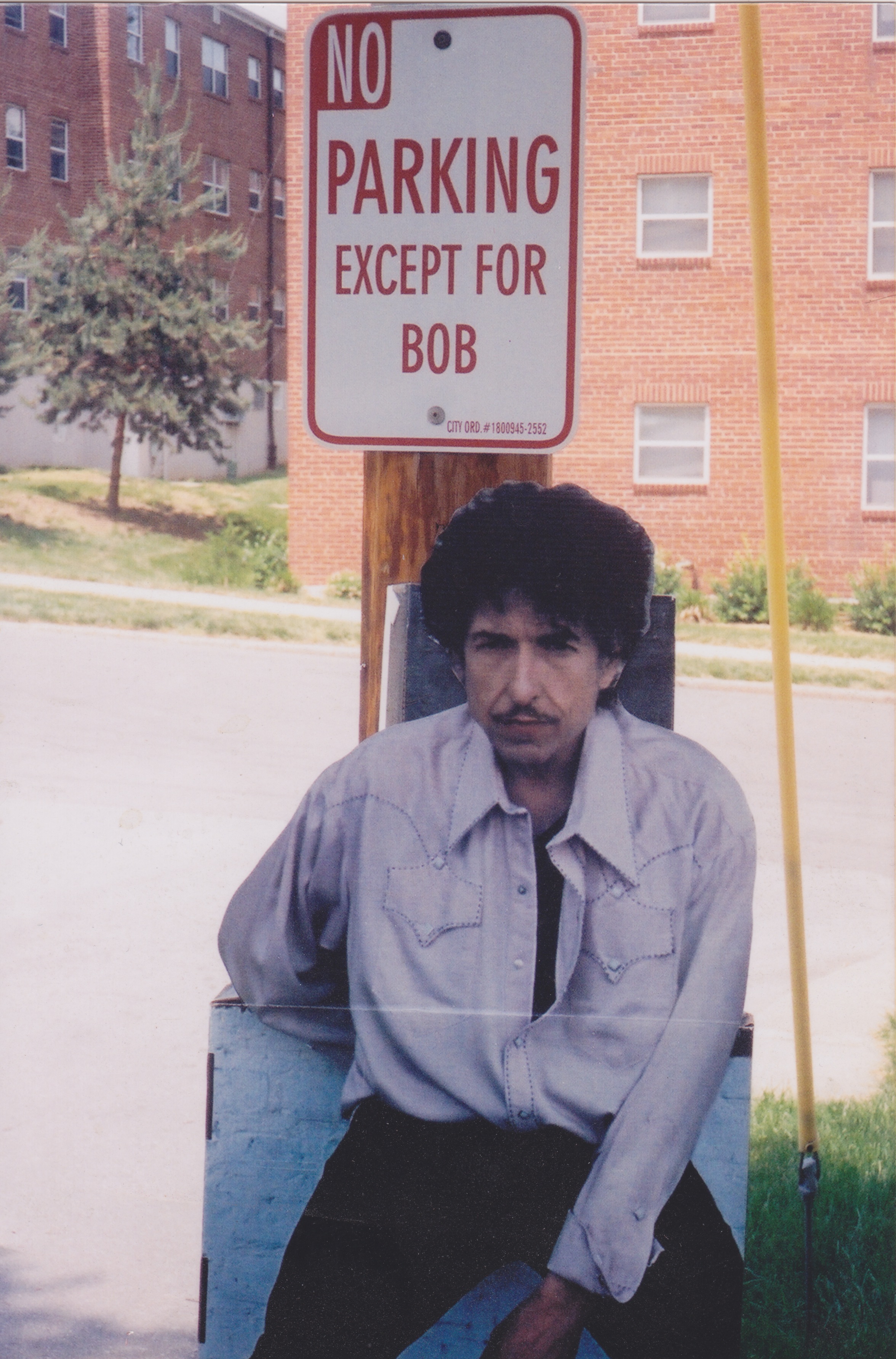
Bob Dylan
The routine at the house includes watching X-Factor. Tonight, like many other nights, I was enlightened by a brief music history lesson given by my husband Bob. Now mind you, I have heard of none these individuals or the songs. The song, ‘Hallelujah’ was song by a contestant on tonight’s X-Factor, a televised talent contest.
Leonard Cohen, a musician in the Music Hall of Fame who also received three Juno Awards nomination, got his start in the music business in 1967. Cohen is credited as the singer and composer of ‘Hallelujah.’ One of his earliest hits was with folk singer, Judy Collins, for the song, ‘Suzanne.’ Bob made me watch a YouTube video of this act (while I was trying to enjoy the X-Factor show).
In 1967, Cohen moved to the United States to pursue a career as a folk music singer and songwriter. During the 1960s, he was part of the Andy Warhol’s “Factory” crowd. According to Wikipedia, Andy Warhol speculated that Cohen had spent time listening to Nico in clubs and that this had influenced his musical style.” His song ‘Suzanne’ became a hit for Judy Collins and was for many years his most covered song. His song, ‘Hallelujah’ found greater popularity through a cover by John Cale.
The New York Times praised the song ‘Hallelujah’ in a review, noting that “Cohen spent years struggling to write the song ‘Hallelujah.” Many singers have covered versions of the song. There are over 300 versions known. It is often called one of the greatest songs of all time.
John Cale was a member of the Velvet Underground, an American rock band, active between 1964 and 1973. The band was part of the first real scene of the high literature culture of Andy Warhol. These people were the hippest of hipsters. The Velvet Underground was formed in New York City by Lou Reed and John Cale. I believe, Nico was also a singer and songwriter for the band.
Lou Reed was a frequent performer at ‘The Factory’, a studio owned by Warhol. Andy often asked his assistants to help set up parties, which were groundbreaking assemblies of musicians, artist, hipsters, gay partiers, and drug addicts. The rented studio apartment in New York’s grubby 60’s neighborhood pre-dates the Studio 54 era. Bob tells me this, but as I always lived in the Midwest, and really don’t have a clear conception of Studio 54 either.
Bob says that Andy Warhol supported the music of the Velvet Underground and this influence started the avant-garde craze. Avant-garde is a term used in the fashion world, and when describing something that is ‘cutting edge.’ Andy Warhol designed the cover of the first album for the band, a banana. That banana is one of Andy Warhol’s most recognized artworks. It became the most popular album cover art of all time.
Lou Reed went on to write a song in 1972, called “Walk on the Wild Side” on his second solo album Transformer. Lou Reed had performed at Max’s Kansas City in New York and Studio 54, two of the most famous and treadiest clubs in New York. Leonard was famous for his poetic song lyrics, ’Suzanne.’ Like singer songwriter, Bob Dylan, he was the poet of the time.
The song contest show X-Factor, has enlightened me to the history of old songs. From my husband Bob, I learn that he is often irritated that shows like X-Factor don’t actually acknowledge the cover songs properly. The old songs are, too often, credited to modern singers, like Mariah Carey, or to the last pop singer that sang the song. Passive television viewers, like myself, pay no attention to the originality of a song or who composed it. I usually don’t even have an opinion as to who sang it best.
While I watch television, I’m thinking, the judges are babies. The female judges on the X-factor wear a lot makeup. They represent youth and have a good game for knowing their own limitations and their wealth hides any immaturity. Simons Cowell has matured and he has been less critical of the young singers.
The whole time I am unable to actually hear the girls and boys sing on the show because in the background my darling husband, Bob has picked up the acoustic guitar and plays. Singing songs like ‘Wild Wood Flower.’ A song, I never heard before. He says it is the greatest country song ever.
I’ve heard it before, only ‘cause he sings it whenever he picks up the guitar. He knows other songs, and I like other songs, but that’s not what he plays. I like when he plays ‘Greensleeves, or Jonny Cash’s, ‘Ring of Fire.’ My Lutheran upbringing loves to sing hymns like, ‘What Child is This,’ during the Christmas season. I happen to know Mary J. Blige is not the original composer of that song.
Once, Bob and I, recorded, ‘Ring of Fire,’ for our grandson, Eddie. On one of those recordable page books. Eddie, loves to turn the pages of the recordable book and listen to gran-ma and pawpa sing various folk songs. If you’d like, I’d be happy to make you a book; just let me know. We have a few for sale.
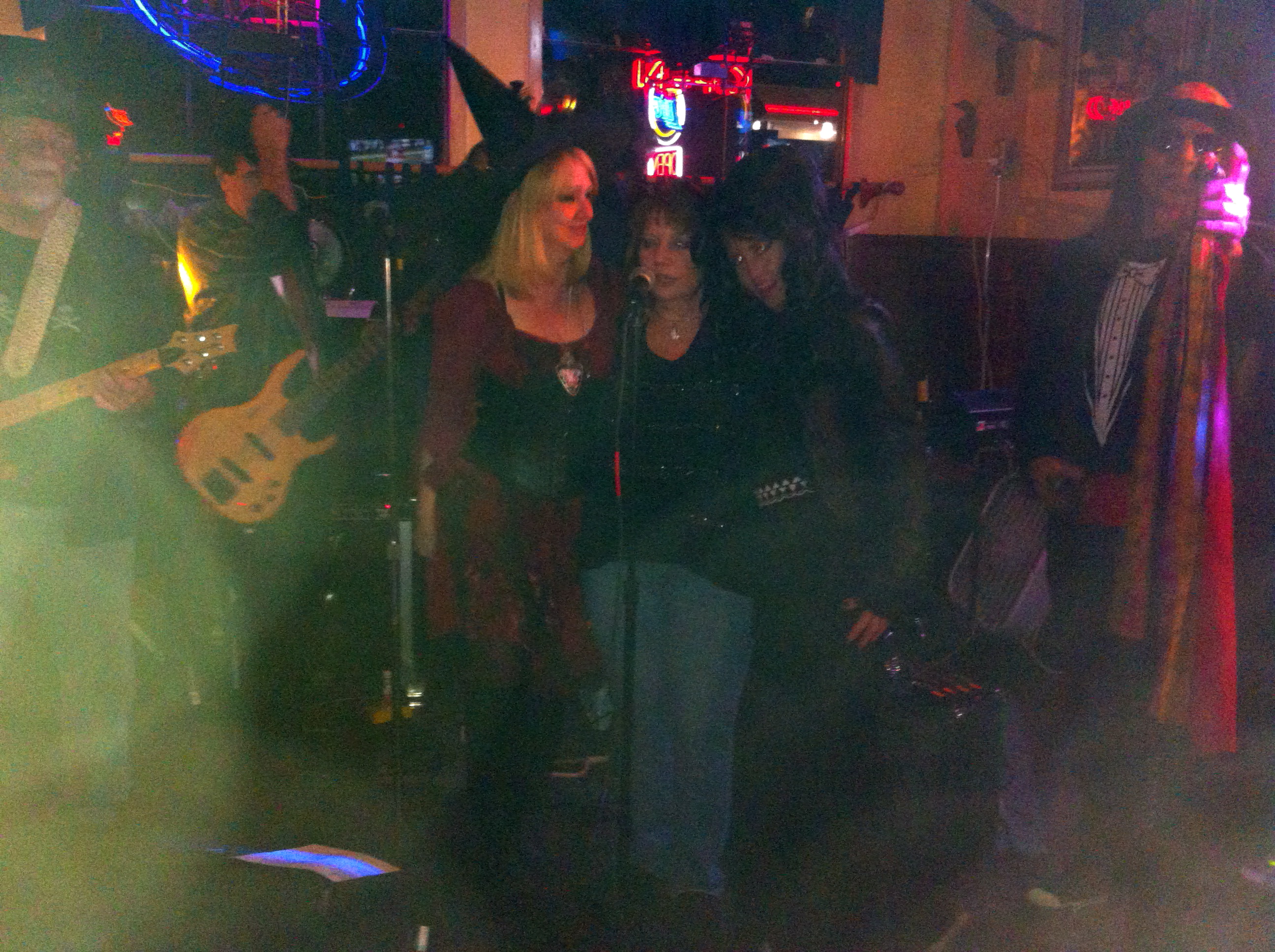
Typically, I don’t sing in public. However, I did sing in my high school choir. I have also, been known to take a shot of tequila and do a little goofing around singing. Last Halloween, at the Monster Bash hosted by a local Westport Tavern, I tried to perform an Amy Winehouse song.
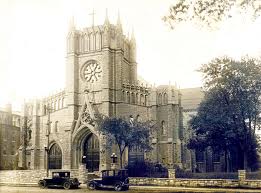
Wesport Catholic Church, image from catholichistory.org
How do you feel about work? I often feel like this old fable, The Wolf and the Crane.
“A Wolf who had a bone stuck in his throat hired a crane, for a large sum, to put her head into his mouth and draw out the bone. When the Crane had extracted the bone and demanded the promised payment, the Wolf, grinning and grinding his teeth, exclaimed: “Why, you have surely already had a sufficient recompense, in having been permitted to draw out your head in safety from the mouth and jaws of a wolf.”
An English writer, named, John Ruskin, published his first novel in 1845. He gave a number of lectures and wrote some important books on art and architecture. He devoted himself to work on social problems. He suffered from bouts of madness and his writings expressed that. My private journal sometimes sound ‘like his writing rants. My psychiatrist told me to keep a journal, then she said she didn’t care what was in it, although she thought I was a good writer, the exercise wasn’t intended to be read.
I pout when I have a job, and I pout when I don’t have a job. Not having a job, gives me the freedom to write and read whenever I want. Ruskin has said, “I have seen and known too much of the struggle for life among the laboring population to feel at ease, even under any circumstances, in inviting them to dwell on the trivialities of my own studies;”
He goes on to say, “No teacher can truly promote the cause of education until he knows the conditions of the life for which that education is to prepare his pupil.”
Westport Missouri, from the time it was formed until present day, has been a working class neighborhood. There is a book about the, “The Battle of Westport, Missouri’s Great Confederate Raid,” by Paul Kirkman. Wars have taken place, the burning of Mormons, the Mexican War, Civil-War, Women’s Rights and other notable history. A lot has been written on such topics, but as I read the various historic events concerning Westport Missouri, I don’t see enough written about the common working citizen of Westport. (Granted most folks don’t want anyone knowing what they are doing.) The past owners of this property were young people. This building holds the ghosts of the starter business owners.
I claim its greatest contribution to history is the fact that it just exists. It has to be noted that it is a wood structure. I think it is remarkable that the building has existed this long, because of the number of wars, battles, and fires that took place, and the capitalist nature of cities to knock it down and rebuild.
The history of Kansas City in my opinion, too often come from the stories of the Upper Classes. The history books all discuss the same characters, like; McCoy, McGhee, Yoacham, Boone, Ewing, Vogel, Harris, Wornall, Hickman, Thomas Hart Benten, Samuel C Roby, Henry Clay Pate. Here is a short list of who had a trading post or tavern in Wesport in the year 1845. It is important to note that this is not a complete census. The town was already, very big by the time the pre-civil war saloon, I live in, was built.
The goal or lifestyle of the residents would have been work. They were young working class men and women. The first settlers, would have been in their twenties. As the town grew successful, and Kansas City, dug away the dirt and flattened the cliffs along the Missouri river, the wealthy families moved into new homes and buildings in downtown Kansas City. In downtown Kansas City, they established new public-houses, and built them in a wise manner, with a more expressive display of dignity for such establishments that would sale spirituous liquors.
This was the nature of the city, and has been ever since. Not to be political, but with each new Mayor, Kansas City tends to invest in a new construction project, often centered on building another shopping and entertainment area, as well as new construction for residential housing communities. Problem is, we haven’t run out of land, yet. So we don’t build up, we build out. Creating older, communities that struggle for business. New city projects always bring in the new technology, however, the consumers only seek the basic needs and comforts from Kansas City, because silly, we all can’t be rich. The worker in Kansas City simply picks up his or her lunch pail and heads north, south, east, or west for twenty minutes from where ever they live, and they go to work.

 Map of Old Westport, Kansas City, Missouri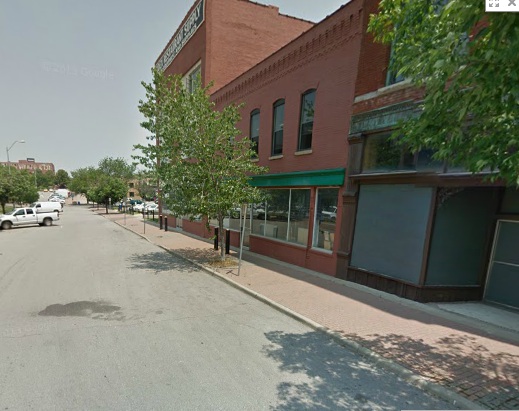
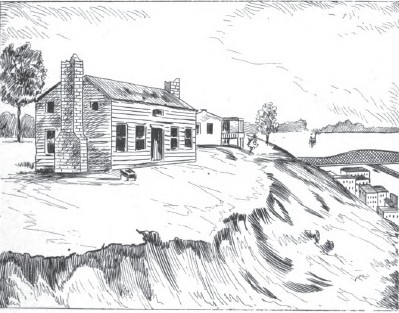 The City River Market area, is where the City of Kansas City begins. The picture shows the same area of Independence Avenue and Main Street (today and in 1830)
 These streets were named after statesmen, authors, and soldiers: Madison, Douglas, Lincoln, Lafayette, Franklin, Blaine, Monroe, Jefferson, Washington, Jackson, Cleveland, Harrison, Garfield, Benton, Fremont, Clay, Sherman, Hamilton, Gladstone, Irving, Whittier, Bryant, Randolph, Peery, Boone, Fulton, Aberdeen, Bayard, Pendleton.
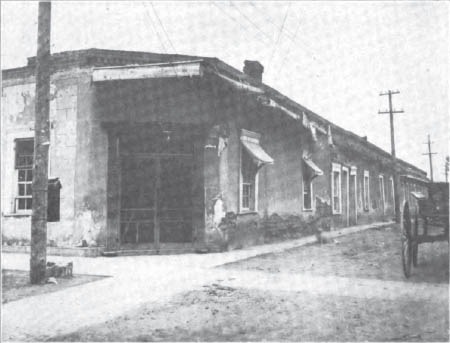









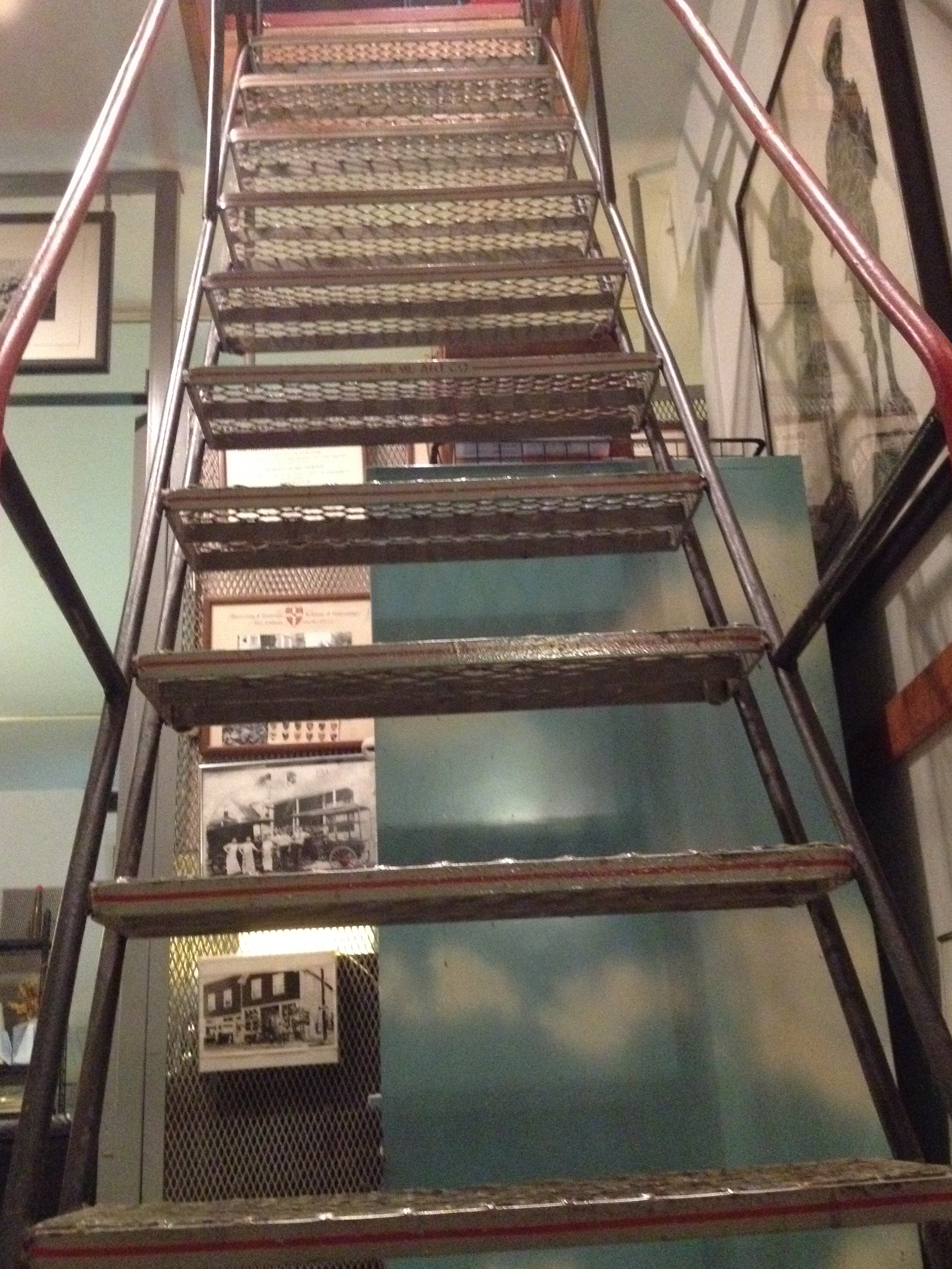
 MY HOUSE THE TRADING POST